Etiquette
Huangpu River cruises: which route, and what time to go
The river cruises come in a few categories and sell a position on the water; for many travellers the everyday ferry, at bus fare, is the better answer.
Last updated7 min read
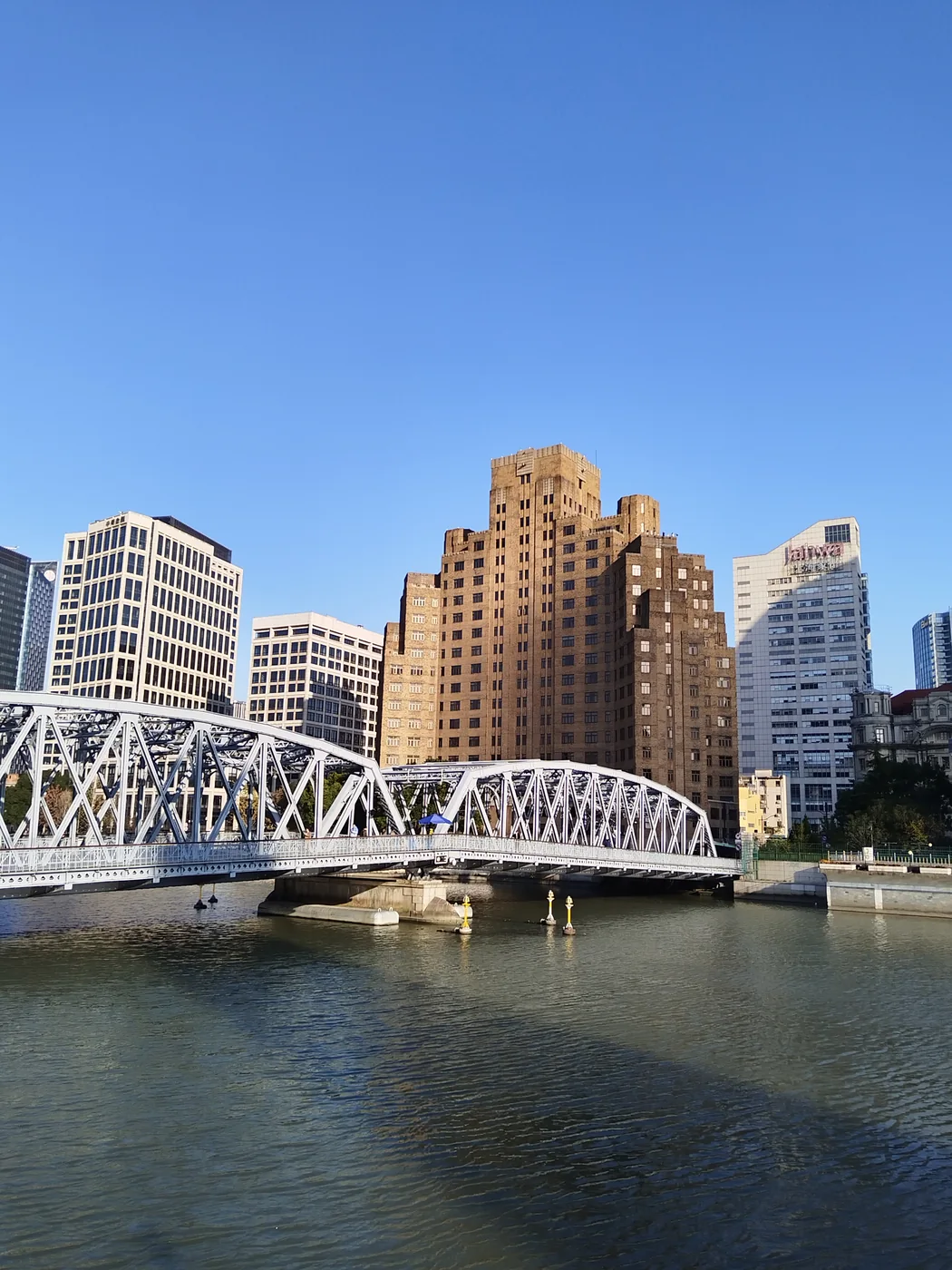
The Bund promenade is free: you are on it the moment you step up onto the embankment. A cruise sells not the river but a position on the water and a viewpoint that moves; settle that first and the choice between the boat categories and a single ferry crossing gets easier.
From the water, the Bund looks nothing like it does from the promenade
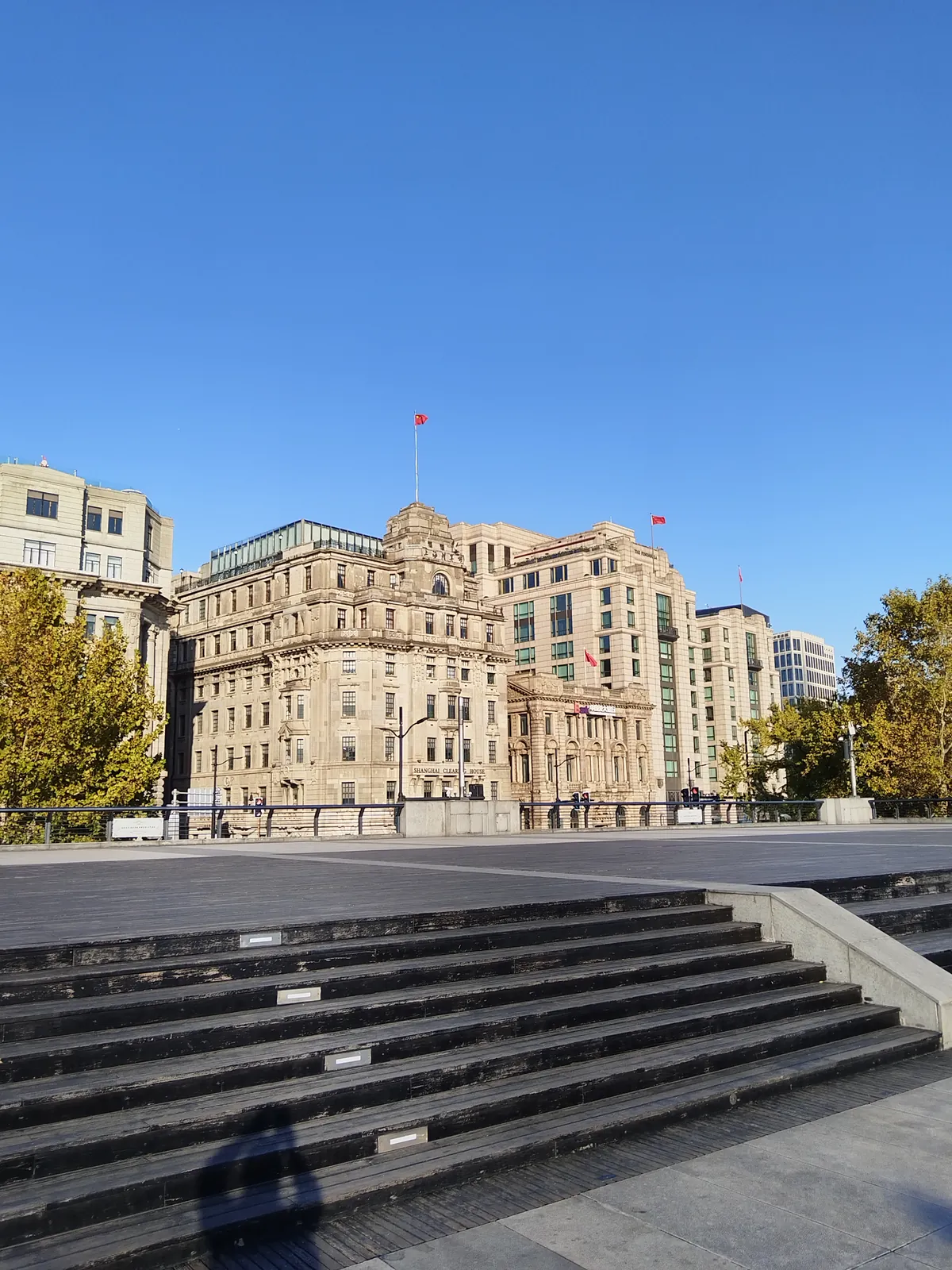
On the promenade the historic buildings are behind or above you: the platform is raised, the angle steep and the distance short, so you mostly see upper storeys and cornices. From the water the same row of banks, trading houses and consulates unrolls along one horizontal line, and the differences in height, the placing of the domes and the position of the clock tower only read once there is distance between you and them.
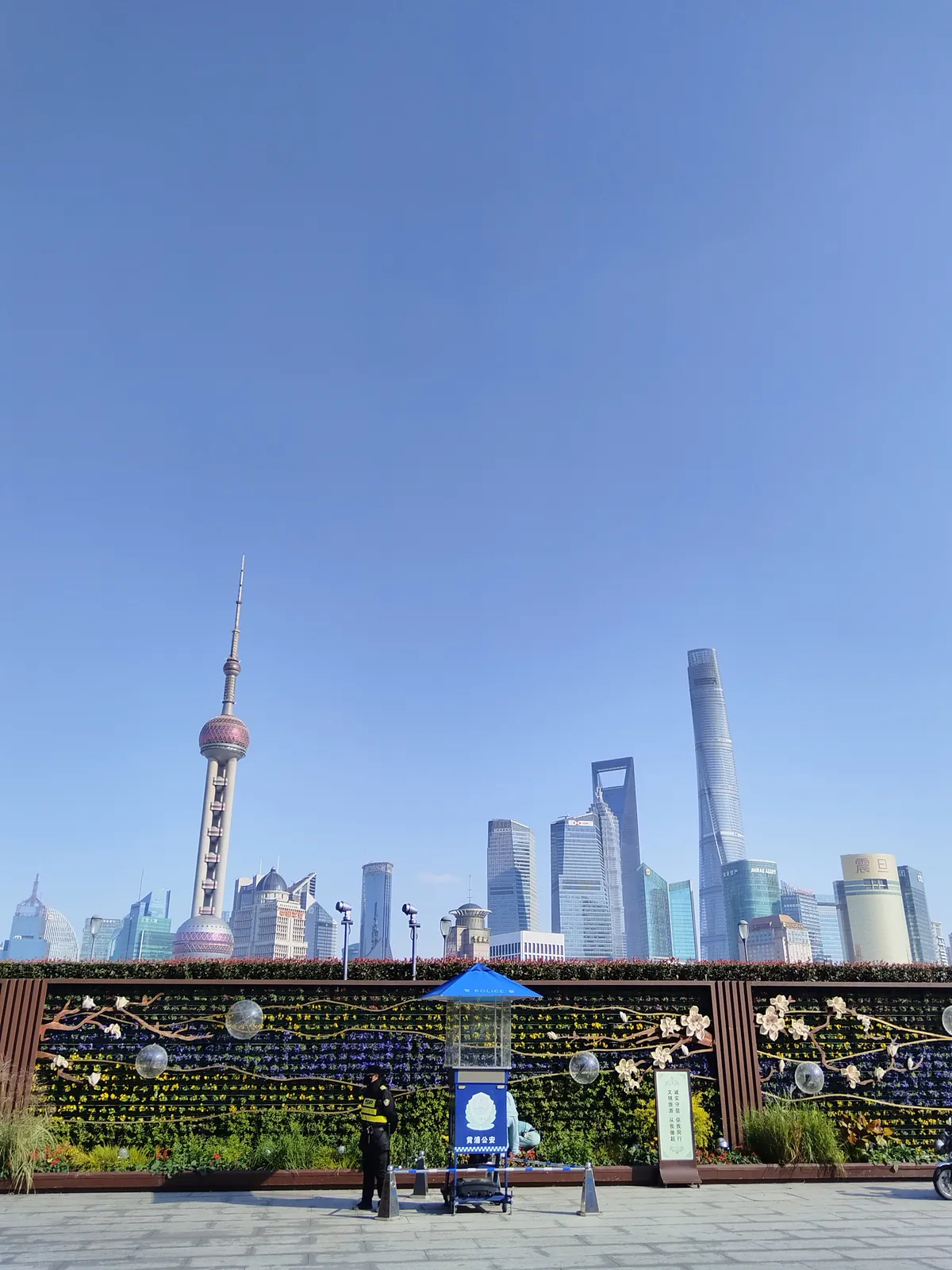
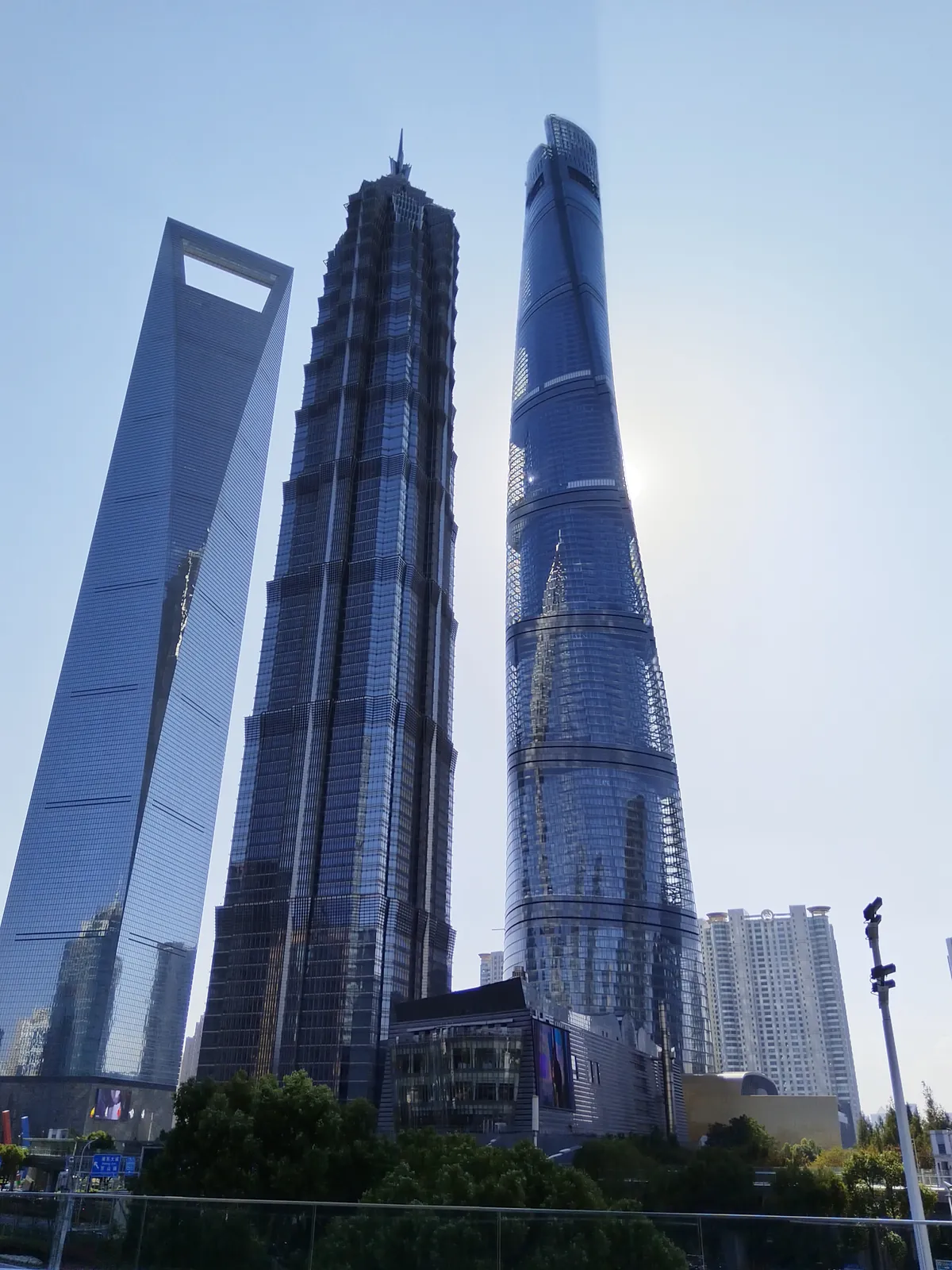
The far bank is the same in reverse. From the promenade, Lujiazui is a backdrop; from the water the towers become a cluster with depth and gaps, and you look up at them rather than across. The river is wide, and the water and wind put a layer between you and the noise of the shore — invisible in a photograph, and the most solid thing a boat gives you.
What a boat cannot give you is detail: at distance the carving on a facade, the people on the street and the lettering over a doorway all disappear. In exchange you get both banks in one field of view from a moving position, which the promenade cannot do — the main reason a cruise is worth paying for.
The four categories, and who each suits
- The short loop around the bend. Only the Bund-to-Lujiazui stretch, round the bend, then back the same way or from the far bank. The shortest run and the core views; it suits a single free evening, or anyone with children or older companions who does not want to sit for long.
- The longer run. North towards the Yangpu Bridge or south towards the Nanpu Bridge, which show different banks: north is the North Bund’s new towers and shipping offices, south is old docks, warehouses and the Expo waterfront. It suits anyone unhurried who wants more of the city; the views are more scattered than on the short loop, with quiet stretches in between.
- The dinner cruise. A seat, a meal and a longer sail in one package, at low speed, sometimes moored for part of it. It suits groups, families and anyone who wants dinner and the river in one go. The meal is usually the weakest part, and is dealt with below.
- The ferry. How locals cross the river. Not a sightseeing product, and it has its own section next.
No operators are named here: what differs between them is mostly the age of the boat, the size of the deck and the food, none of which can be verified before you board. Schedules, fares and whether a meal is included must be confirmed with the operator on the day.
The ferry: bus fare across the river, and often enough
The ferry charges as public transport: you tap a transit card or a ride code at the gate. From the Bund area to the Dongchang Road and Lujiazui side of Pudong, the crossing takes a few minutes to a quarter of an hour. There is no commentary and no seat allocation. It is a bus on water.
It deserves serious thought: if all you want is to be on the river at night looking at both banks, it gives you the same water and the same row of lights, at bus fare. It needs no booking, it runs on the day, and it cannot disappoint you with a buffet. Its limits are just as concrete: it is point to point, so you make one crossing and never see the full sweep of the bend; it runs less often than the metro and stops earlier, so late in the evening it is gone; getting back means a second crossing or the metro from the far bank.
In one line: to sit down, hear a commentary and eat while you look, take a cruise; to look at both banks from the water, the ferry is often the better answer.
Timing: the hour after the lights come on is the peak
The lights on both banks come on around sunset and stay on until some point in the night; the exact hours shift with the season, public holidays and one-off events, so check the day’s arrangements.
The hour after the lights come on is the peak, and also when the boats are fullest and the pier queues longest. Sailing then means a deck packed with people, a wait for a place at the rail, and a queue to get off. It is not a matter of being slightly busier.
Either end of the evening is better. Board before sunset and you get the last raking light on the historic facades from the water, then watch the far bank switch on, one building at a time: two views in one sailing, with fewer people. Later, the last sailings are much quieter, but the lighting may already be dimmed or off, and the ferry stopped long before.
Weekends and public holidays are busier than weekdays, and the first week of October and the days around Lunar New Year are the heaviest of the year. Keep a spare evening: in haze or humid weather the towers opposite flatten into a grey band, the most common disappointment, and on the water it is harder to change your mind at short notice.
Boarding: piers, documents, seats and weather
The piers follow a pattern. On the Bund side the boarding points are mainly at the old docks at the southern end, around the Shiliupu area, with more at the North Bund; on the Pudong side they cluster along the Lujiazui waterfront. Which pier your boat uses, and when it sails, is on your booking; confirm it with the operator on the day. The pier entrance is not visible from the promenade, so do not walk over on a guess.
Arrive early. Boarding involves a gate and a security check and closes before departure; the pier area is busy and signs are not always clear. Time to find the entrance beats cutting it fine.
Documents. Bring the passport you booked with: on a real-name ticket the name and document must match. Otherwise bring the booking reference or QR code — not on someone else’s phone.
Seats. Some boats allocate seats, others are free seating, first come; places on deck are contested. The cabin has windows and heating or air conditioning; the deck has no shelter.
Deck or cabin is a real choice. The deck is where you want to be for the view and for photographs, and the price is wind: in winter the river wind is far colder than on shore, so dress warmer than you think; summer is muggy; and in rain, snow or high wind the deck can close without notice. The cabin is comfortable, but glass ruins photographs — reflections, tint, water marks — and a night shot through a window is usually unusable.
Photography from a moving boat, and where it disappoints
Photography. The boat moves and the engine vibrates. Shooting across the boat at the bank keeps sharpness better than shooting towards the bow, because relative motion is fastest along the line of travel. Press the camera or phone against the rail or a fixed post; at night raise the ISO and keep the shutter fast, accepting noise rather than blur. Expose for the bright shore lights and let the water go dark. Flash lights nothing on the far bank and annoys everyone beside you.
Where it disappoints:
- The meal on a dinner cruise. Most of the cost is the boat and the position, and the food is usually a standardised buffet or banquet served to a schedule — not a good dinner on the river. If food matters, buy the meal and the boat separately.
- The crowd in the peak hour. In the hour after the lights come on the deck is standing room only, the rail involves a wait, photographs often go over someone’s shoulder, and getting off is another queue. For quiet, sail earlier or later.
- The commentary. On most boats it is a recorded loop over speakers, competing with the music and the engine, sometimes Chinese-only, and often generic. Do not book for the narration; treat it as background.
- Expecting a quiet, romantic evening. In the peak hour a cruise is closer to a packed water bus, with the two banks of lights outside the window.
- The Bund Sightseeing Tunnel. Often weighed against the cruises: priced high and pitched as entertainment, and what it advertises as an underwater view is a light installation, not a view of the river. To see the water or get across, skip it.
place.gallery
Photographs
Related reading
Etiquette
How to walk the Bund: timing, route, and the mistakes people make
The Bund is a 1.5 km riverside promenade where the old buildings and the Pudong skyline face opposite ways. Here is when to go, which end to start from, and where visitors get it wrong.
5 min read