What to do
ERA at Shanghai Circus World review: how to choose a seat
ERA at Shanghai Circus World reviewed: real acrobatic craft against dated multimedia packaging, with seat choice treated as the main subject, plus arrival, the interval and who should skip it.
Last updated5 min read
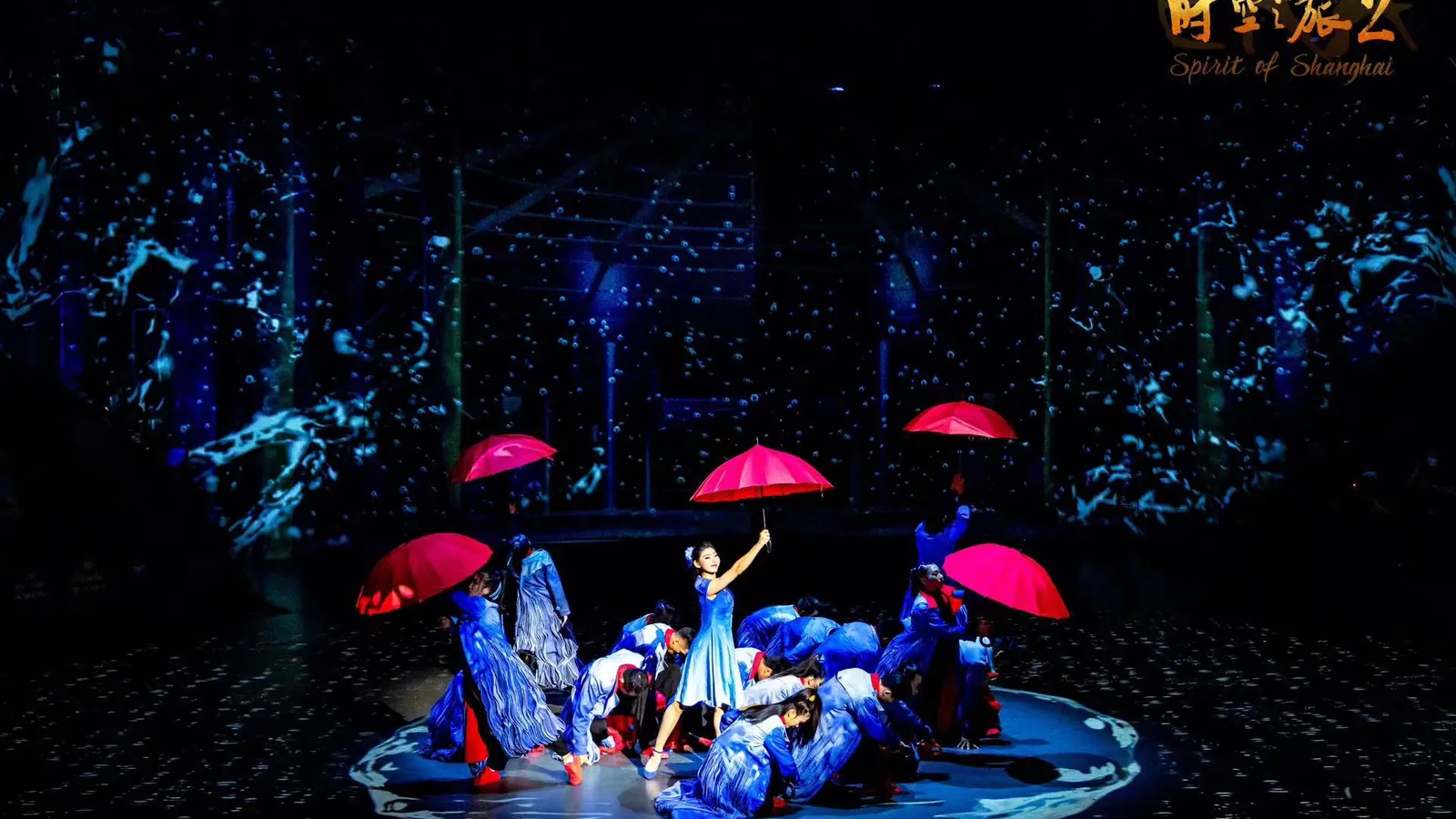
In the domed theatre at Shanghai Circus World, ERA is the show most often booked for visitors and families: half real craft, half dated packaging. In this production, where you sit very nearly decides whether you see the staging or its edges.
What the production is
Shanghai Circus World stands on Gonghexin Road in Jing’an, with a Metro Line 1 station of the same name beside it. ERA is the house production: contortion, aerial work, balancing and tumbling broken into segments and threaded through projections, music and group dance. There is almost no dialogue, so no Chinese is needed.
It is a commercial production aimed at visitors and families. A performance takes up an evening, evening shows are the norm, and the day’s listing is the only thing to trust, so check the official channel. The show has run for years and been reworked more than once, and the edition now staged is billed as ERA 2: Spirit of Shanghai, so older guides may not match the stage.
The honest assessment: real craft, dated packaging, an expensive ticket
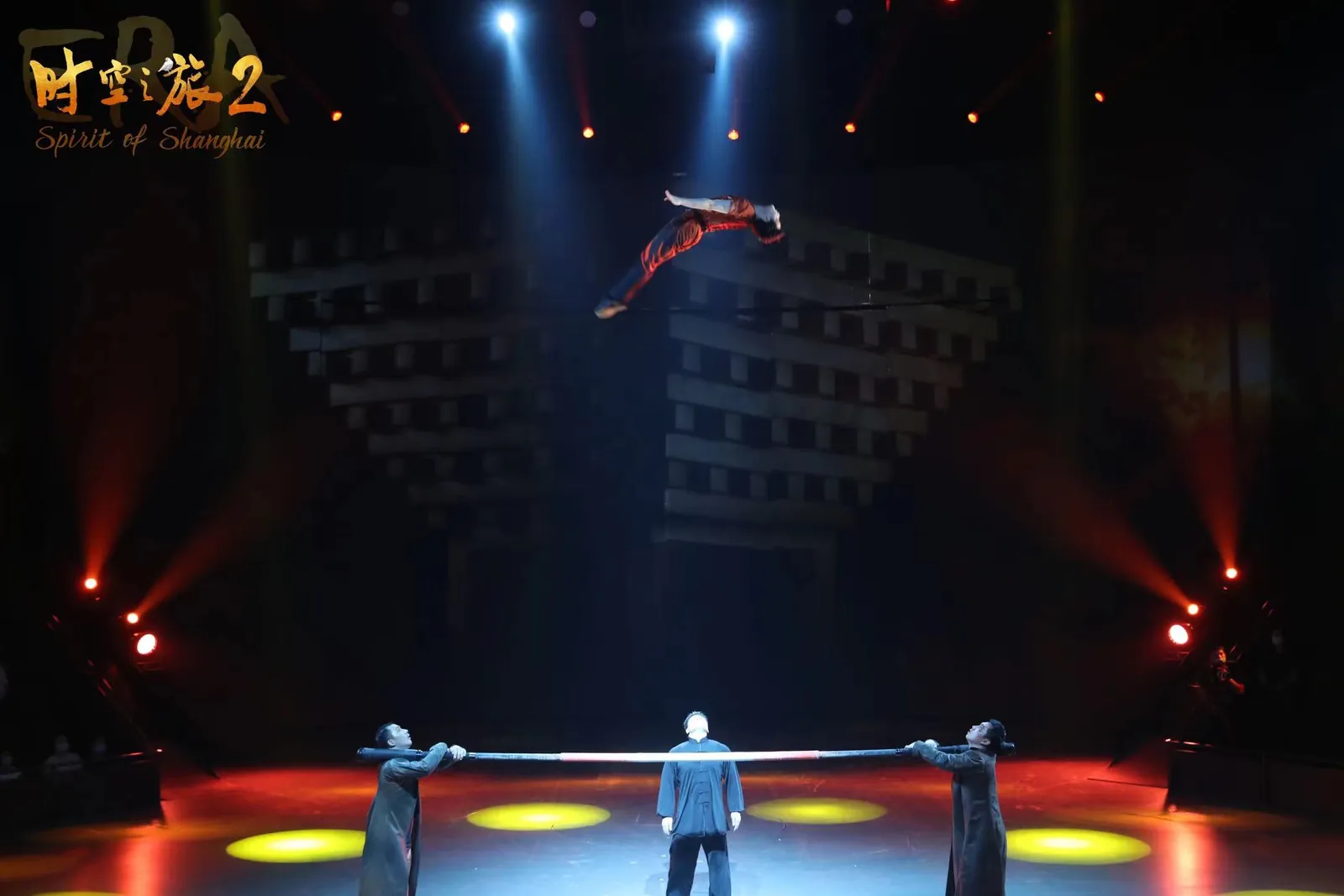
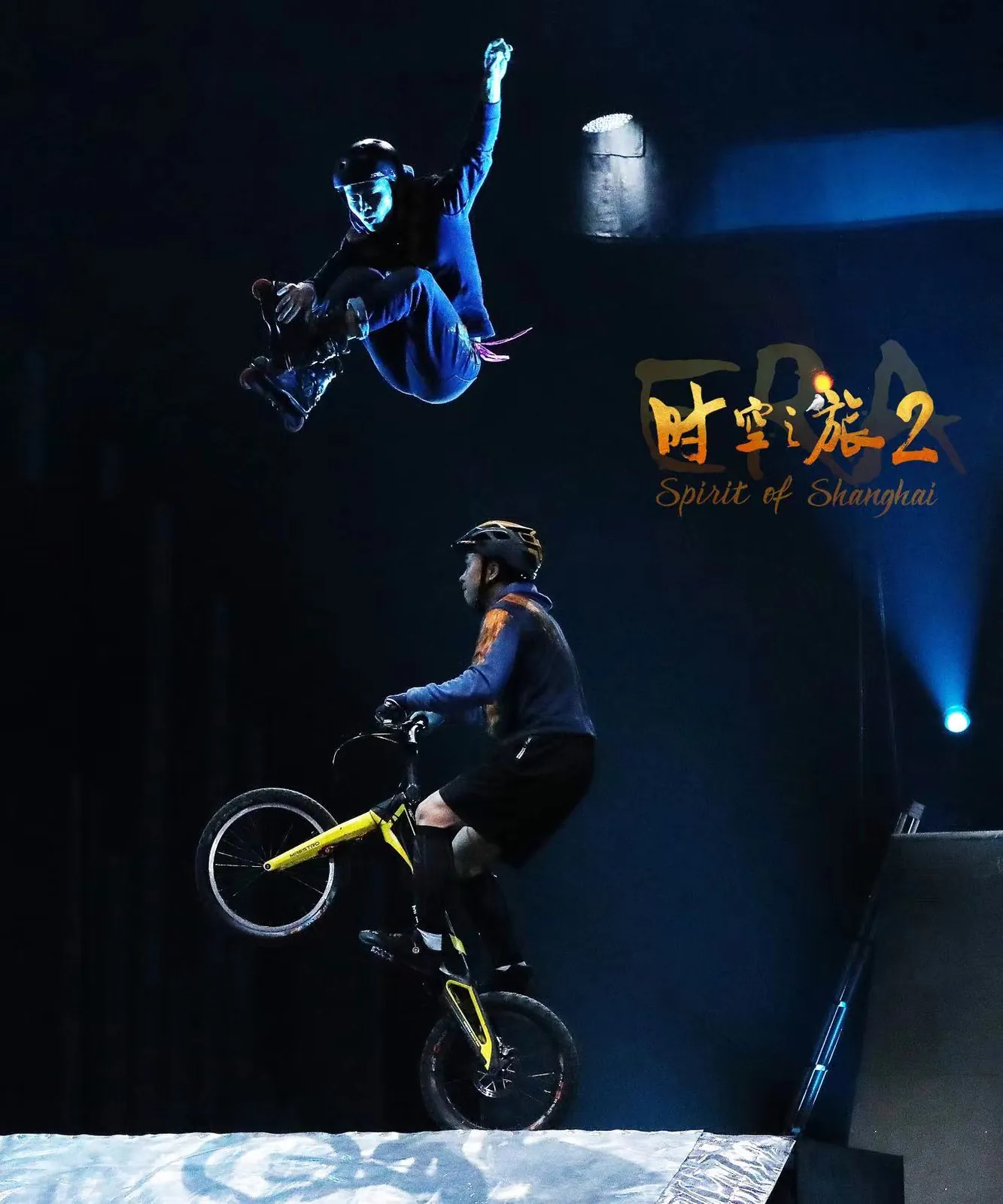
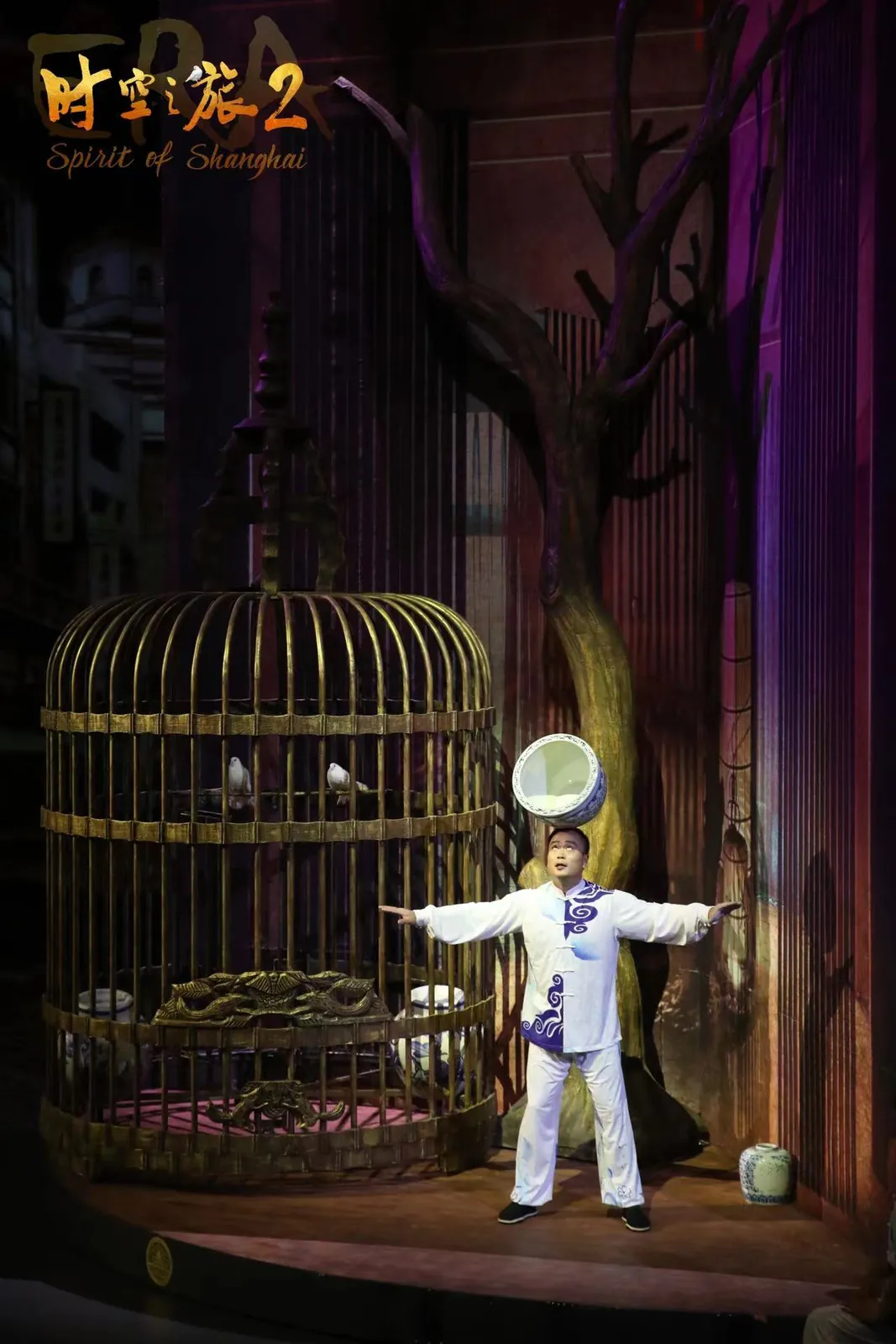
The good part is real: contortion, aerial work, balancing and tumbling are genuine skills, and the fluency of a long residency shows; the projections, lighting and group dance have scale in a few big set pieces; and the absence of dialogue helps, since families with children, people who have just landed and a rainy evening can all walk in cold.
The weak part is just as clear. The multimedia material, costumes and some choreography look dated now; the auditorium is large and tour groups fill much of it; and the ticket is expensive by the standards of a Chinese theatre, sold by tier, with real money between adjacent tiers.
It is a finished production with few surprises, and whether it pays depends on where you sit.
Choosing a seat: what this review is for
The stage is wide and the staging fills the proscenium, so seat quality varies sharply.
The far sides are not slightly off; they lose a whole block of the picture to masking and side scenery, and the full-width projection cannot be taken in.
The front row is not automatically best. Aerial and tumbling segments happen overhead, so sitting that close means looking up all evening and losing the overall composition; what the front rows buy is detail. Sit close for detail, but not too close to read the whole staging.
Centre and slightly back is usually the best compromise: the rear of the centre stalls facing the stage, or the centre of the balcony. The proscenium’s width fits your view, aerial work needs no raised chin, and the full projection stays visible.
Treat the overhang and the balcony separately: the centre balcony facing the stage has a clean sightline at the cost of smaller detail, while the rear rows under the overhang are what to avoid, where sight and sound both go flat. Boxes are a side-on view, sold as a box rather than by the seat, and too narrow for a show built on the whole frame.
A cheap ticket here is closer to false economy: the cheapest seats are usually exactly those places, off to the side, under the overhang, or the back of the balcony. The show works through the full-width projection and the span of the proscenium, so a side seat loses not the margins but the picture. If the cheapest tier is all the budget allows, buy a different evening instead.
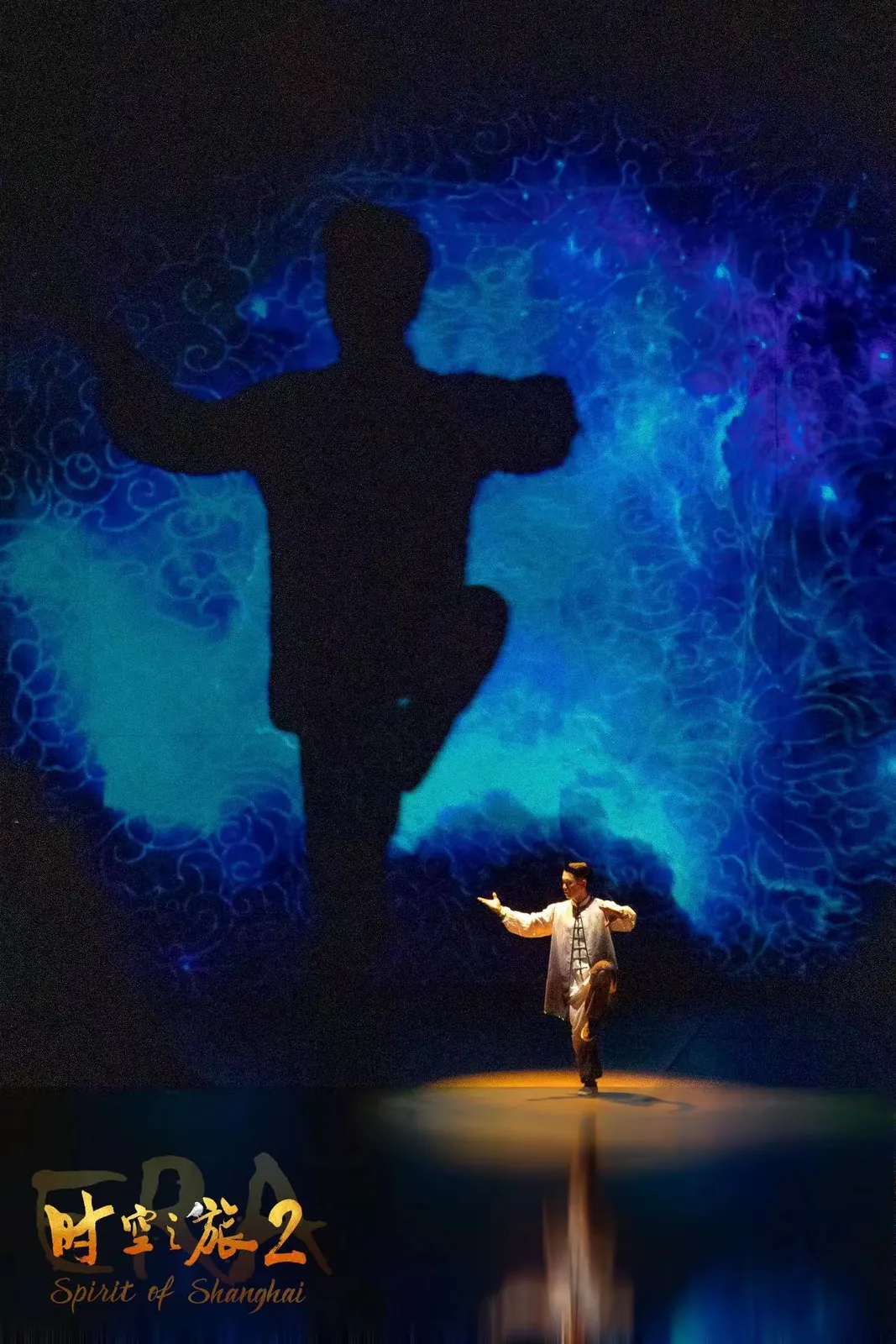
One more reason: the projections, silhouettes and symmetrical compositions are designed for a frontal view; from the side you watch a distorted version.
Getting through the evening: arrival, the interval, leaving
A performance takes an evening, not ninety minutes. Arriving about half an hour early is safer: the entrance queues, the auditorium is large, and the walk from the foyer to your seat takes time, so collect tickets and use the toilets first.
The interval depends on what is on stage that night. A residency of this length usually plays straight through, and even with an interval there is only time for the toilets and your seat, not a meal.
Afterwards the metro is quickest, since Line 1 stops beside the theatre, but check that station’s last train; miss it and only taxis and ride-hailing are left, hardest to get as a large theatre empties, so walk a block before ordering. The surrounding blocks are roads and housing, so do not count on dinner nearby; photography rules are unevenly enforced, so ask at the door and never use flash.
How it compares with other evenings, and who should go
Shanghai’s performances are not one market but five different evenings. ERA is the large acrobatics-and-multimedia residency: for an evening simply filled, with no language barrier and real skill in front of you, there is almost no substitute in the city. Wanting something else means changing the plan: traditional opera is the most local and hardest on language, a concert hall depends on that night’s programme, jazz and small venues start late in plain rooms, and a dinner-and-show package is convenient but the meal is its weakest part. See the shows guide.
Who it suits: families with children; first-time visitors who have just landed; anyone avoiding a language barrier; a rainy evening that needs an indoor plan; and anyone willing to pay more for a centre seat facing the stage. Who should skip it: people who have seen a lot of contemporary circus or want the summit of Chinese acrobatics; anyone sensitive to the price who can only buy the cheapest tier, where the loss is sharpest; anyone looking for small-scale contemporary circus or a traditional variety programme; and anyone who wants to watch in quiet.
The verdict: worth seeing once, provided you choose the seat well. Sit right and give it a filled evening, and it pays; buy the cheapest tier and expect the whole show, and the money is largely wasted.
Photographs