What to see
Guangfulin review: is half a day enough
Guangfulin reviewed: whether half a day is enough, once the park above ground and the halls below it are counted separately — which parts are solid, which are only scenery, how long four kinds of visitor should allow, whether to pair it with the rest of Songjiang, and who should skip it.
Last updated5 min read
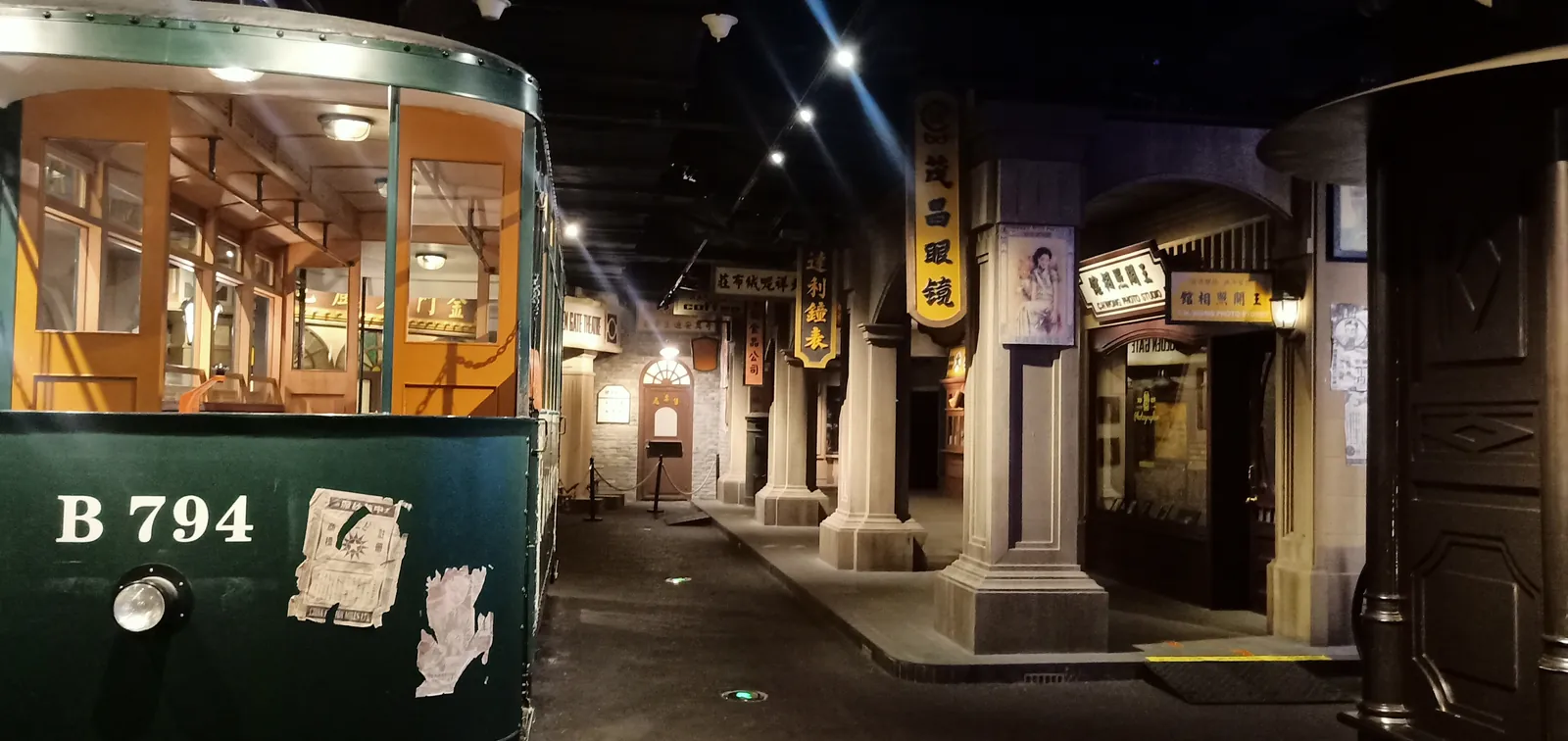
Half a day is enough, or not, depending on whether you treat Guangfulin as one thing or two. Above ground it is a walk: a lake, bridges, new period-style courtyards. The halls below it, plus an underwater gallery, are a museum, for looking and reading; the Guangfulin guide covers what is there. The lake circuit takes an hour, so the time question never sits above ground: what decides half a day is the exhibition — two sums, for a reader of Chinese and for everyone else.
The verdict: enough, depending on what you come to read
With Chinese, half a day is right and even tight: the halls, the gallery and the labels done properly, plus two to three hours of travel, leave no room for a second stop. Without Chinese it runs long: bilingual labels carry one piece’s date and origin, but the narrative needs Chinese, most people reach the exit in an hour to ninety minutes, and the rest is better given to Songjiang. Half a day is a ceiling here, not something everyone uses up; the place asks you to read, and without that the time falls empty.
What is genuinely good: the halls under the water, and a real site
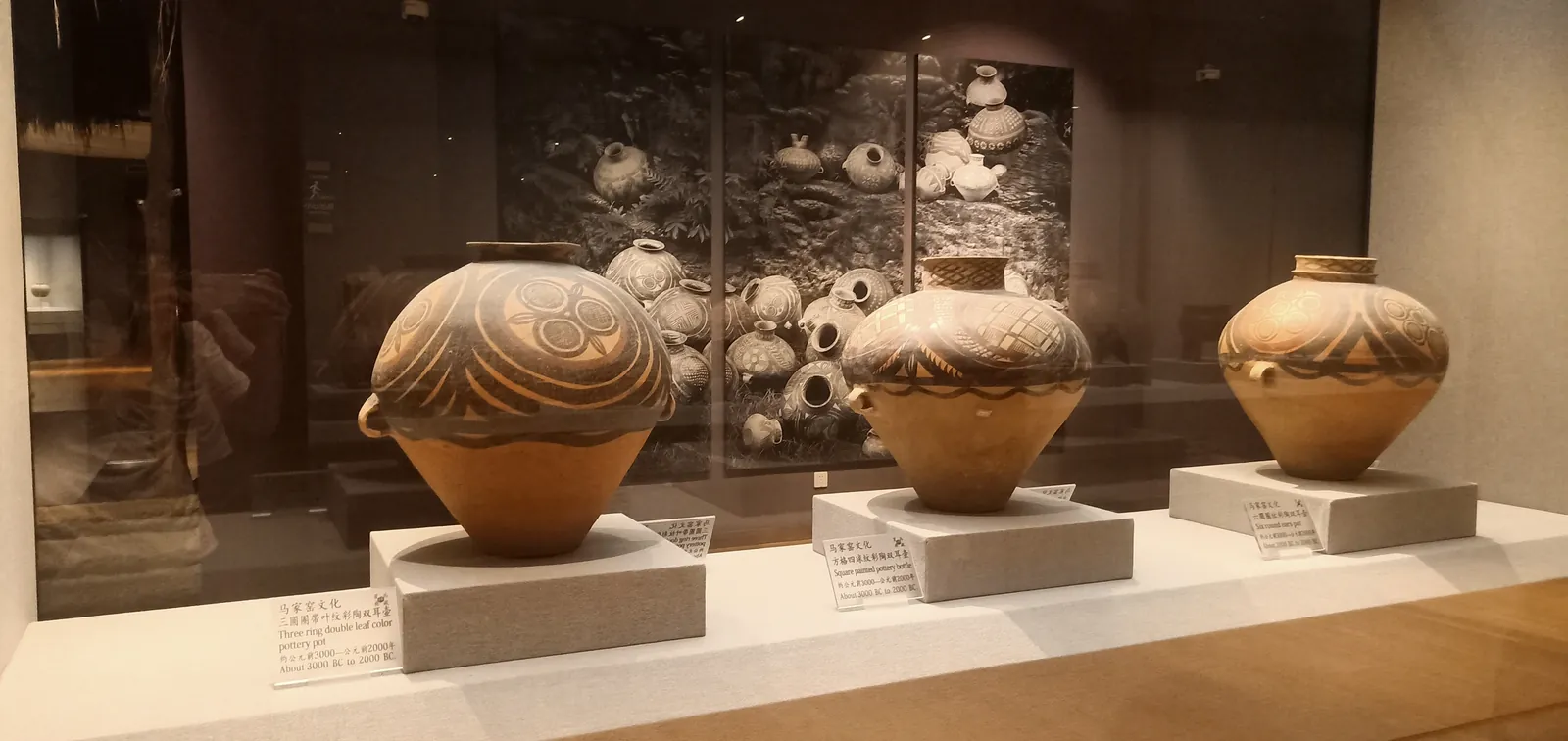
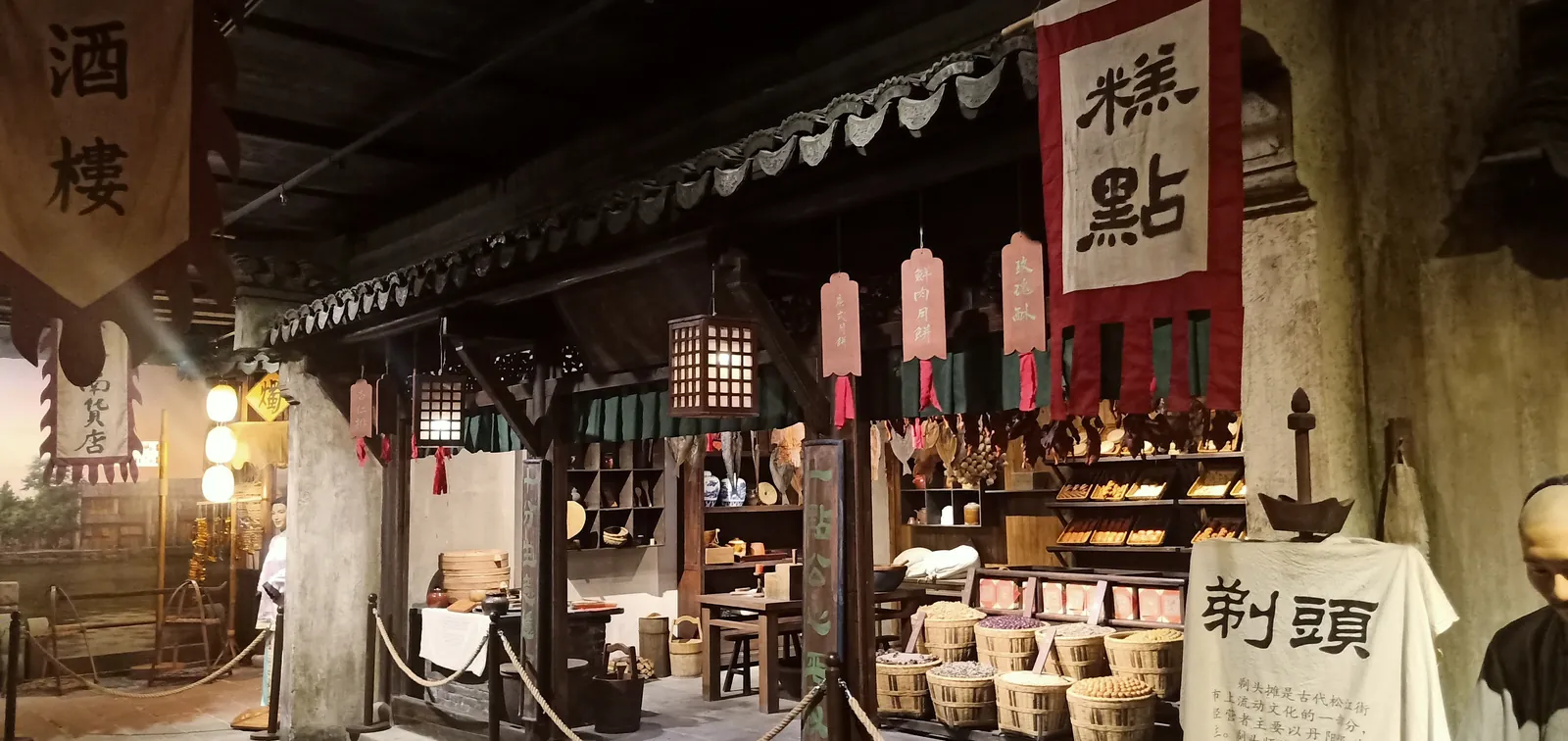
Sinking the halls is a solution, not a style: the volume sits below the horizon, only roofs slant out of the water, and the park stays water and a path. Inside, light, temperature and sound change at once, then come themed halls and a gallery with water alongside; the space is what is good, and no photograph replaces it. The foundations are real too: the layers sit in place, several groups lived on the same ground, and the excavated material includes elements from elsewhere, extending Shanghai’s depth of time backwards. The exhibition is built around those layers and that mix of origins and explains them better than most halls of its kind. And unlike many Shanghai old places, which reassemble other places’ material into a street, the buildings here are new but the park’s justification is the excavation beneath.
What is weak: the distance, the walking, and a hall you cannot read
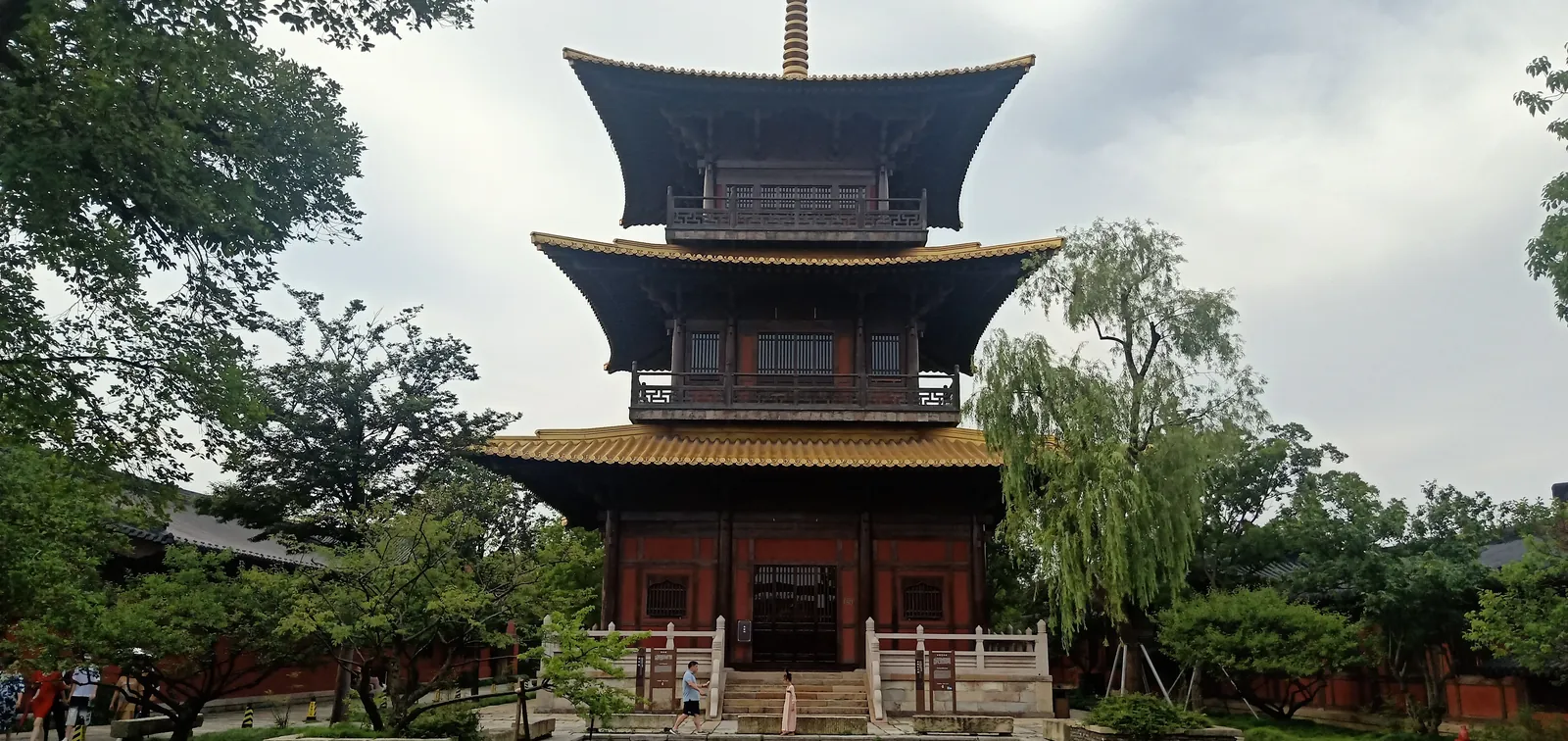
Distance is the first hard cost: over an hour each way, two to three hours in total, buying a park plus a museum, not a monument you can stand inside. Second, walking and exposure: the park is bigger than it looks, the lake is a full circuit, almost all open air with little shade, and at midday in summer it is hard to stand there. Third, information thins out above ground: the pagoda, the commercial street and the restaurants are scenery, not content, and much of the park is business. Fourth, language, and an awkwardness: the show leans on text, so a visitor without Chinese follows the scenes but not the argument and slides towards photography, while the best positions — before the pagoda, on the bridge, where a roof slants into the water — are held by people taking pictures, who push aside those who came to look. A seriously excavated site used as a backdrop does not sit well.
Time, counted four ways
Park only: the lake circuit is an hour, two at most, so half a day uses up half of itself and the rest belongs to Songjiang.
Exhibitions, with Chinese: this is who the half day is for; the underground alone can take it, and with the return journey it is right and slightly tight.
Exhibitions, without Chinese: an hour to ninety minutes brings them to the exit, so half a day runs long; they gain most from pairing.
With children: underground is where children respond most, sets and sound carrying better than glass cases, and the grounds give them room to run; their patience sets the total, so half a day works.
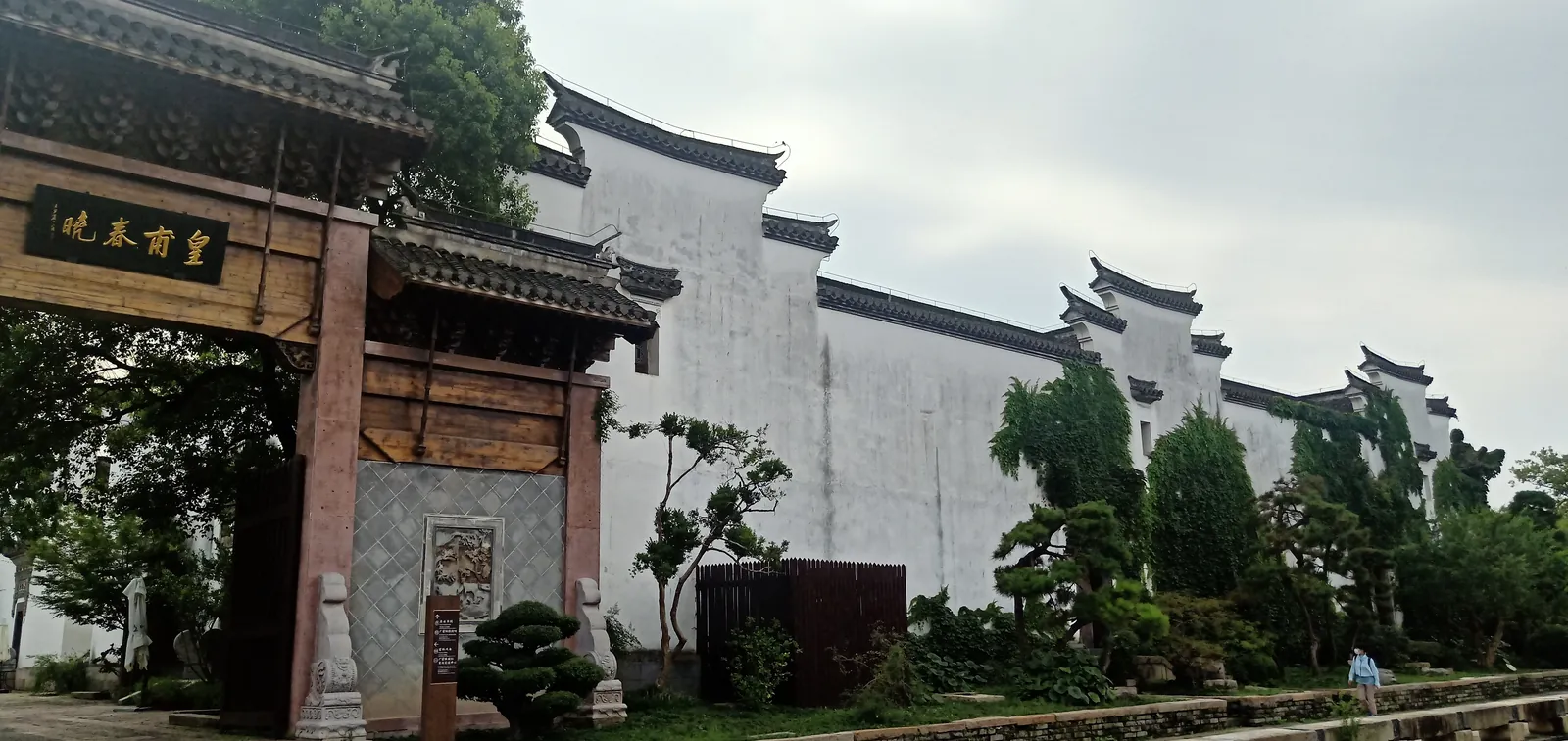
For photographs: the positions are before the pagoda, on the bridge, along the roof ridge in the water and at the new courtyard walls, covered in an hour or two; half a day is more than needed.
Whether to pair it, who should come, who should not
Pairing solves the time problem, turning half a day into a full one. Old Songjiang town has a garden, old streets and a pagoda, one place below ground and one above it; Sheshan is hills, a church and a botanical garden; the granary buildings in the same district are an easy extra stop (see the granary review). None is next to another and all need a car, so Guangfulin plus one more is a workable day if you start early; two more becomes travelling.
Who should come: anyone interested in archaeology and early history who will read the labels slowly underground; families with children; anyone with a loose itinerary who can give half a day or a day. Who should not: anyone in Shanghai for two or three days with a full schedule; anyone who dislikes walking or sun; anyone expecting real trenches and finds in place; anyone who only wants new period-style architecture to photograph; and anyone who does not read Chinese and will not pair the visit.
What Guangfulin repays is half a day, not a whole one. Without Chinese, or for photographs alone, two to three hours is enough and the rest belongs to old Songjiang town or Sheshan. Confirm hours, booking and entry on the day; no figures are given here.
Photographs