What to see
Nanxiang old town review: what is there apart from xiaolongbao
Nanxiang old town reviewed: the old street, the twin pagodas, the temple and Guyi Garden weighed separately, with the question in the title answered — whether the town stands without its dumplings, which sight is worth a trip and which is worth ten minutes, why the birthplace does not mean better eating, how far the old street has been commercialised, who should come, who should skip it, and whether it justifies a trip from central Shanghai.
Last updated5 min read
Nanxiang’s question is not whether the xiaolongbao are good but what is left when that layer goes. What you see and how to get there is in the Nanxiang old town guide; this piece answers the question in the title, including the answer that it is not worth a dedicated trip.
The verdict: it stands without the dumplings, but only for three visitors
It stands, if you treat Guyi Garden as the destination and the old street as a sight. The old street cannot carry a trip: a street selling food inside the shell of an old lane, over in under an hour. What carries the visit is the classical garden in the same town, plus a pair of genuine brick pagodas and a temple that opens on its own terms. Anyone who came to wander an old town will be disappointed; anyone who came for the garden will not. If you imagined an old town on Shanghai’s edge that fills half a day, the premise is wrong.
Beyond the food: one worth a trip, one ten minutes, two on luck
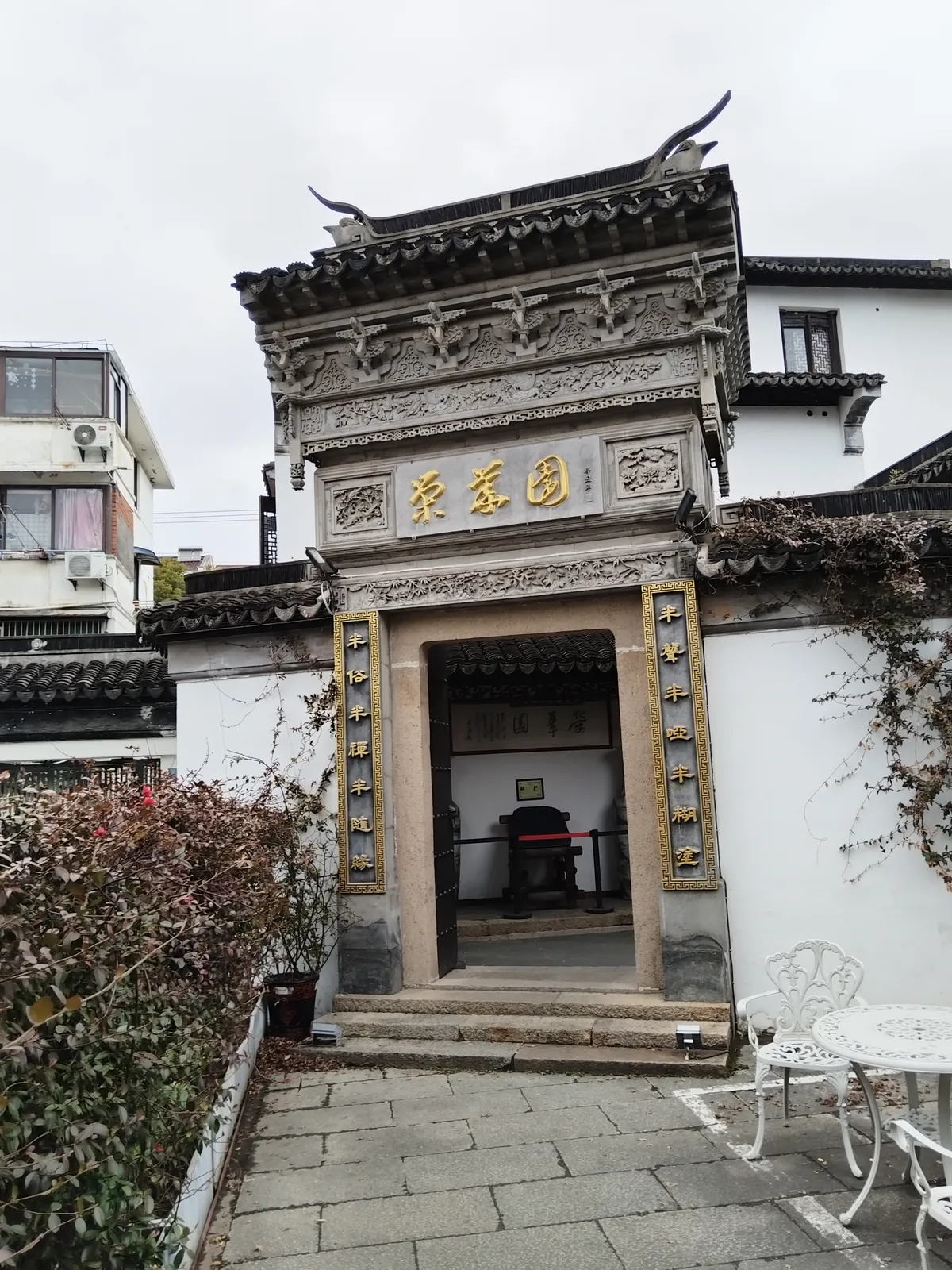
Guyi Garden is worth a trip and the only thing here worth time of its own: water, rockery, covered walkways, lattice windows and bamboo strung into one sequence. Its origins are usually placed in the Ming dynasty and today’s layout rebuilt more than once, so check dates officially; it normally charges admission, at whatever price is published that day.
The twin pagodas are worth ten minutes: the genuine monument in town, and brick eaves, taper and finial deserve a look, but they stand on paving inside railings and a circuit is over in ten or fifteen minutes — worth looking at seriously, not a reason to come. Dates are disputed; take them from the board.
The temple depends on luck. It sits on the old street’s route, but its scale and opening have shifted: open, it is a pause in the half day, closed, it drops out; of the four, only this one needs checking on the day.
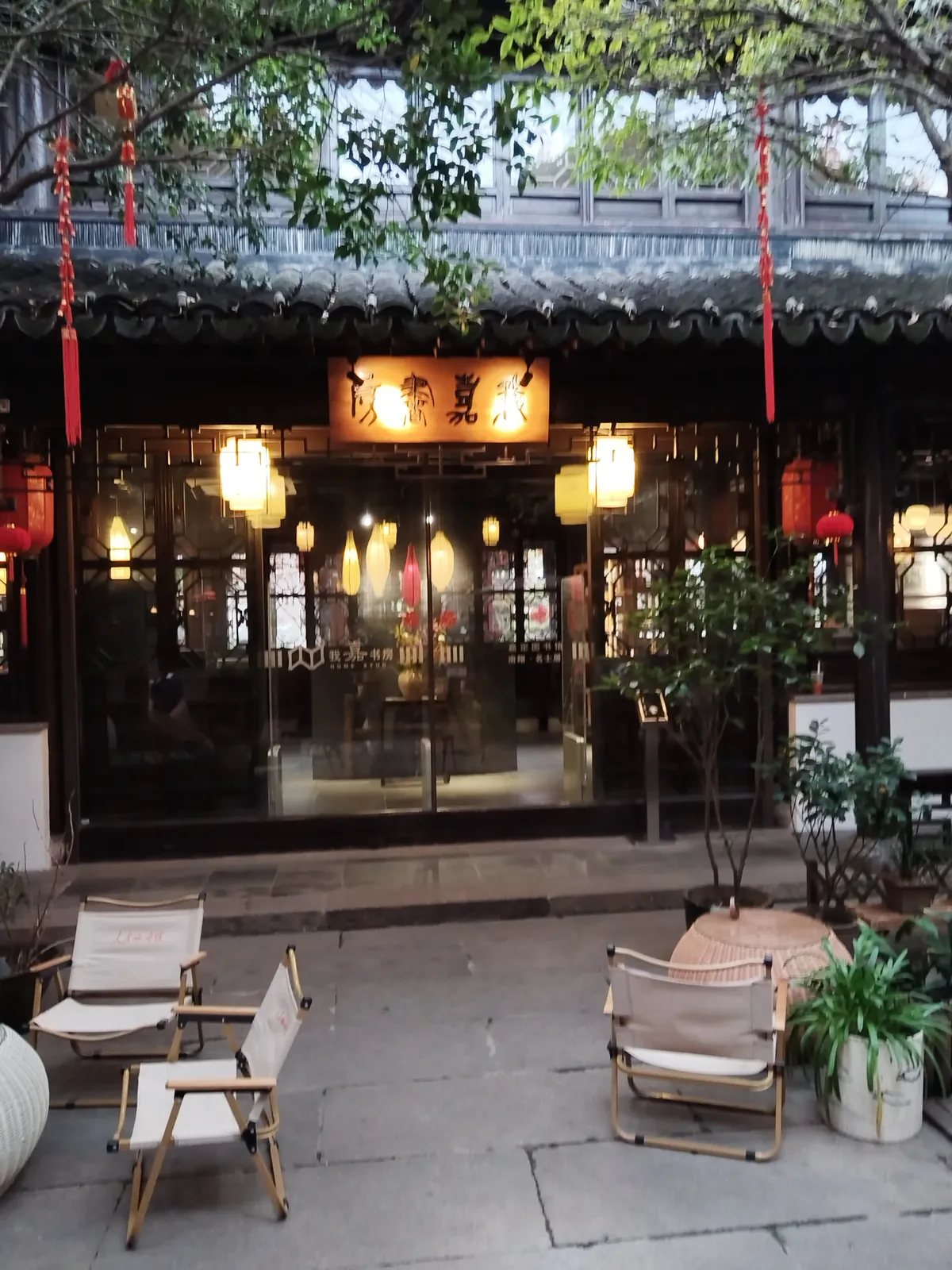
The canal lane should not be scored as a sight. It is narrow, its banks are shop signs and lanterns, and its value is in walking it: early, around opening time, or in rain when few are about. Come expecting a view and it is over in two minutes.
Xiaolongbao: the birthplace is a fact, better eating is not
Nanxiang xiaolongbao are a line of their own: larger, slightly thicker-skinned and coarser-chopped, so wheat and pork register more strongly than in the city version, and worth eating once. But a birthplace is an identity, not a guarantee. The queue at the famous shops measures fame, location and how things spread, not the cooking: the gap between the best dumplings here and a good city shop is usually far smaller than the queue is long, and staking a meal on the longest line mostly buys waiting. Judging them comes down to the basics, set out in more detail in the xiaolongbao Q&A. Coming for this line of dumplings is a valid reason; coming because the birthplace must taste better is not.
Commercialisation: how far, and what replaced it
Three layers. Extent: the lane is now mainly food and souvenirs — skewers, fried snacks, milk tea, dumpling shops, keepsakes — with big bright signage and chains in prime positions; the facades, paving and businesses come from this round of tourism money, and what is old is the line of the lanes, the bridges, and the walls of the pagodas, temple and garden. What has been lost: the waterside life made for the town’s own people — vegetable shopping, laundry, bicycle repair — pushed off the street; every business now faces passers-by, so the lane has no daily life, only footfall. Whether the replacement is bad: not bad, but the accurate word is ordinary. This differs from a rebuild such as Panlong Tiandi, where the shell is new and you can call it fake; here the shell is real, and what was fitted inside is the set sold in any Jiangnan scenic area. Fake can at least be objected to; ordinary cannot, and ordinary is harder to write into any guide.
Time, who comes, who skips, and the case for a trip
Three sums. A meal plus the old street and the pagodas: about two hours, one stop, not half a day. Add Guyi Garden properly: another one to two hours, and half a day is full. Came mainly for photographs: an hour to ninety minutes, since the lane is short and the angles limited; early morning, quiet and soft-lit, is best.
Who should come: anyone already in Jiading, for whom one more stop costs almost nothing; anyone wanting an unhurried half day on Shanghai’s edge who will treat the garden as the main business; anyone wanting to eat this line of xiaolongbao once.
Who should skip it: anyone with two days in Shanghai on a first visit; anyone expecting a complete water town, which expectations cannot fix because the place has to change, as the Panlong Tiandi review works through the same trade-off; and anyone who dislikes queuing and narrow lanes, for whom a holiday from midday into the evening is unpleasant throughout.
Whether it justifies a dedicated trip from central Shanghai: no. Nanxiang is a reasonable stop on the way, not a destination. Only Guyi Garden can make it one, and the garden alone cannot carry the return journey; inside a trip to that side of Jiading it is a gain, from the centre it is not worth it.
Photographs