Shanghai Circus World — ERA
A long-running acrobatics and multimedia show in a domed theatre in Jing'an, built for visitors and families rather than for the circus avant-garde.
Six ways in
Independent guides, reviews and answers for travelling in Shanghai: where to eat, stay, get around, and what to see, buy and do.
A long-running acrobatics and multimedia show in a domed theatre in Jing'an, built for visitors and families rather than for the circus avant-garde.
category.play
ERA at Shanghai Circus World reviewed: real acrobatic craft against dated multimedia packaging, with seat choice treated as the main subject, plus arrival, the interval and who should skip it.
5 min read
category.play
Tonglefang reviewed: a small converted workshop quarter in Jing'an that runs at night, for people staying nearby who want dinner, a drink or a small live-music room; by day, or on a two-day trip, it does not repay a special journey.
5 min read
Etiquette
Shanghai's performance scene is not one market but five different evenings. Here is who each format suits, how tickets are actually bought, how to pick a seat, and which formats most often disappoint.
7 min read
Etiquette
The river cruises come in a few categories and sell a position on the water; for many travellers the everyday ferry, at bus fare, is the better answer.
7 min read
Etiquette
Shanghai's parks and riverside walks are not sights but the free public space locals use daily, and this sorts them by function, explains how to walk the riverside as a route, and covers what happens in a park and how to behave in it.
6 min read
Etiquette
Below the big shows sits another layer: small theatres, experimental rooms, comedy and improv, jazz and rock venues, the recital halls, and bars that host live music without being music venues. This guide lists no names; it explains why there is no fixed list, how to look, what the rooms are like, and which evenings disappoint.
7 min read
Health
Keeping up running and swimming in Shanghai is easier than a visitor expects, but the surface and the hour matter more than they do at home, and this covers where to run by kind of place, the park-running culture, heat and air, public pool rules and hotel pools.
7 min read
Etiquette
Most Shanghai museums are built for adult reading, while a child needs things to look at, touch and set moving; this sorts the venues by kind into what holds a child and what does not, and covers the two practical facts, the two-hour limit and the exit.
7 min read
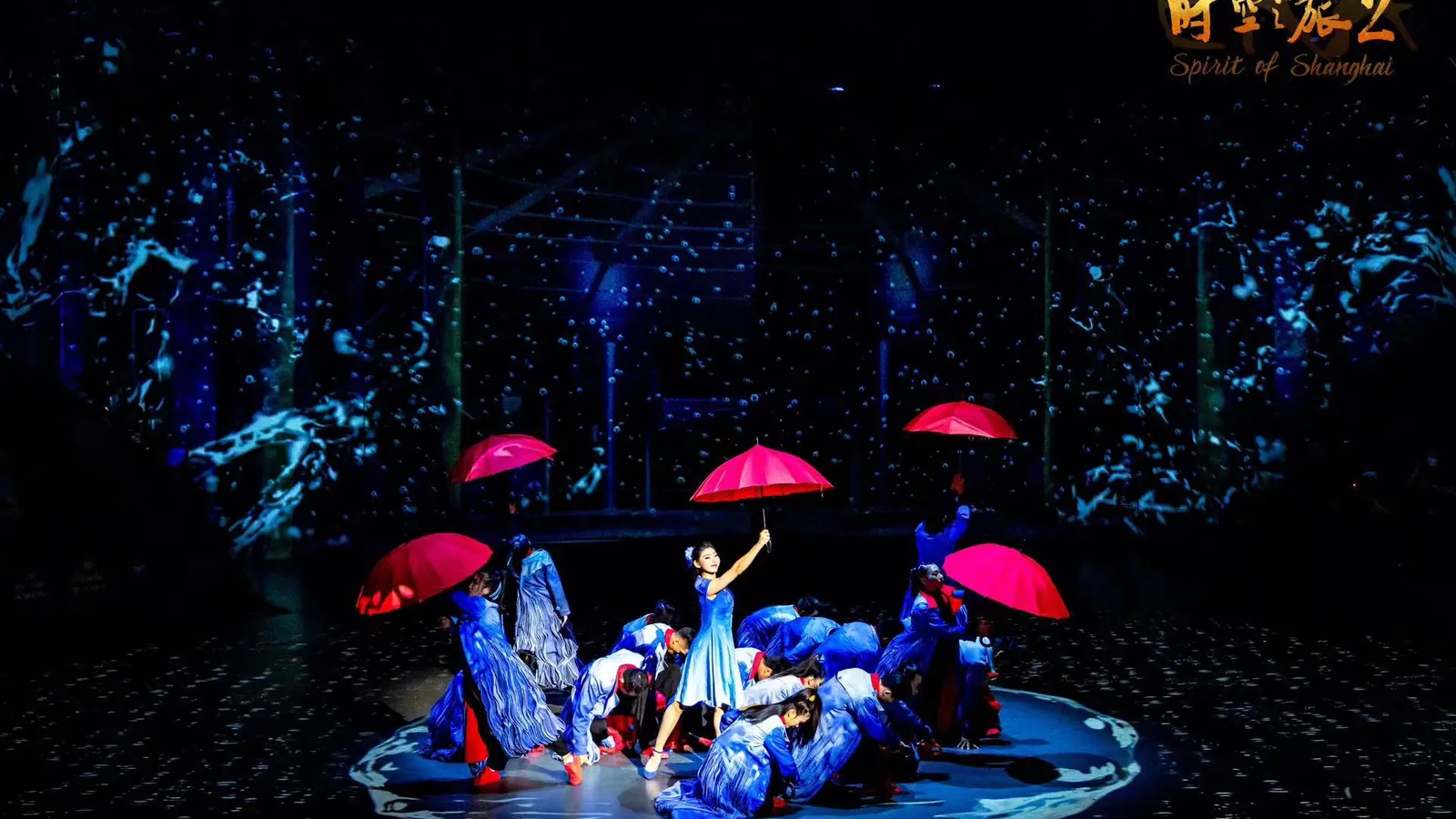
Yes, if the format suits you. ERA is a long-running acrobatics and multimedia show at Shanghai Circus World, with real technical skill, a polished running order and almost no spoken dialogue, so families with children and first-time visitors curious about Chinese acrobatics usually come away satisfied. It is a commercial production aimed at visitors, with staging that now looks dated and ticket prices that are high by the standards of a Chinese theatre; anyone hoping for small-scale contemporary circus or a traditional variety programme should look elsewhere.
An evening can be any of several things: the lit waterfront, a performance, dinner as the event itself, a rooftop or a bar, a walk through the old streets, an evening shopping street, or a boat on the river. The thing to watch is the clock: dinner is earlier here than most visitors expect and the last metro runs earlier than most people assume, so check the train you actually need and settle how you will get home.
Most school-age children get through it comfortably, because there is almost no dialogue: tumbling, balancing and aerial acts need no language to follow. What decides the evening is not the age on the ticket but whether the child can sit still through a full show in a dark, loud auditorium, which usually rules out children under three or four and suits the five-to-ten range best; a child who fears loud noise or darkness will not enjoy it at any age. Confirm the current running time, whether there is an interval, and the venue's own rules on children and seating with the official box office when you book.
The real choice is not which spot but how high you stand and which way you face: a high platform gives you the panorama but puts you above the lights and behind glass, usually after a long queue; the riverside promenade gives you the lights themselves and their reflections in the water, but no view over the city; a rooftop gives you both at the price of a setting where you are expected to spend. The classic view looks from the Puxi side at the Pudong skyline, and the reverse view of the historic waterfront from the Pudong side is arguably better and far less crowded — that single choice matters more than the spot. Confirm the day's lighting arrangements before you set out.
Free in Shanghai means the city's public space and public institutions rather than its attractions: the riverside promenades, the parks, the public libraries and most municipal museums and memorial sites are places residents use regularly and you can enter without buying a ticket, while the headline sights almost all charge. The two things worth half a day are a stretch of the riverside and one neighbourhood walk, with the rest chosen by what each gives you; for any specific place, check its own information for the day before you go, because whether it charges, whether it is open and whether it needs a booking all vary.
Rain is common in Shanghai and locals simply carry on, so a wet day means changing the shape of the day rather than cancelling it: put the hours indoors instead of walking between outdoor sights, in museums and galleries, the larger-than-expected malls, the indoor parts of markets and food halls, covered arcades, theatres and cinemas, baths, tea houses, or a long lunch. The riverside and the old streets are the worst choices in rain, exposed and slippery with nowhere to shelter, and anyone with only a few days should move them rather than endure them. Rain here is usually drizzle rather than a downpour, so waiting it out beats abandoning the day.