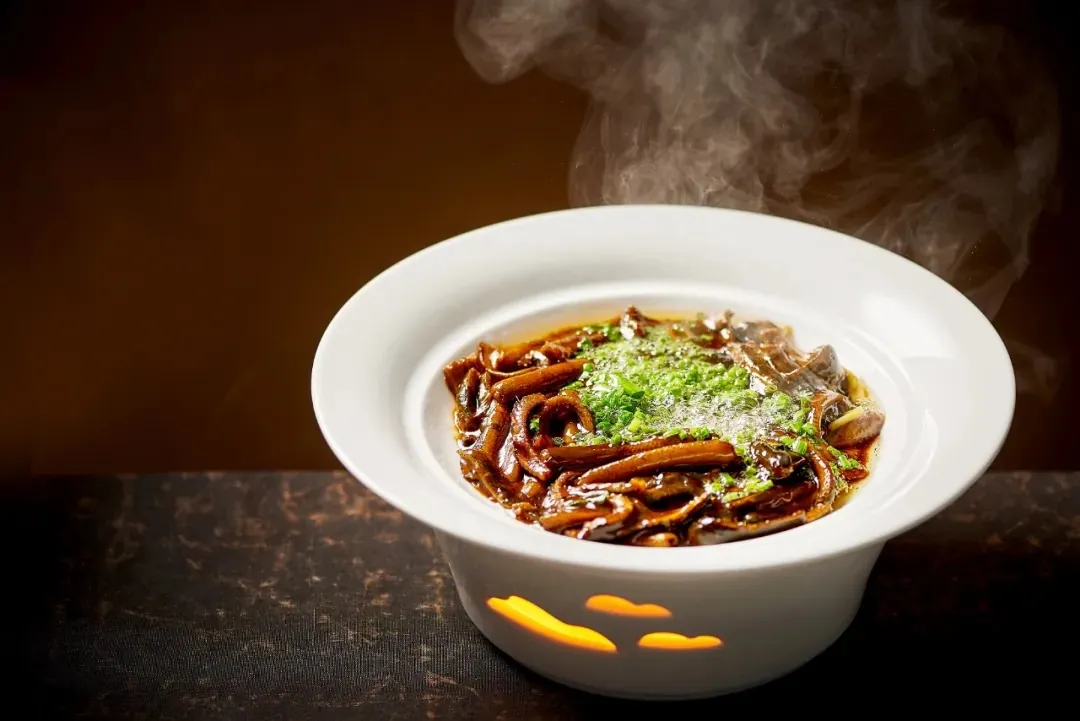
Lao Zhengxing
A long-established Huangpu restaurant cooking benbang, the sweet-savoury local Shanghai repertoire of braises, soy-heavy sauces and river fish.
Six ways in
Independent guides, reviews and answers for travelling in Shanghai: where to eat, stay, get around, and what to see, buy and do.
A long-established Huangpu restaurant cooking benbang, the sweet-savoury local Shanghai repertoire of braises, soy-heavy sauces and river fish.
category.eat
A review of a long-established benbang kitchen in Huangpu: what the cooking genuinely does well, what to order and why, how the room and service feel, and when a trip is worth it.
4 min read
category.eat
A verdict on the traditional Shanghai breakfast as something to seek out: what the four big names and the everyday items are honestly worth, what fails a visitor, three traps, and who should get up for it.
5 min read
Food & drink
A meal of benbang cooking in four moves: recognise the sweet-savoury style, build a menu of braise, river fish, greens and soup, then work out timing and seating. Lao Zhengxing is the worked example.
5 min read
Food & drink
Both repertoires come from Jiangnan and both use soy, sugar and river fish; the difference is that benbang cooks flavour into the ingredient while hangbang keeps the ingredient's own flavour. Technique, sweetness, texture, river fish, defining dishes, and what to order in each city.
7 min read
Food & drink
Breakfast in Shanghai is eaten out of the house: what the four big names actually are, the other morning items, where they are sold, and how to order.
7 min read
Food & drink
A wet market in Shanghai is a working place for buying dinner, not an attraction: how the stalls are laid out, how the cooked-food counter is bought and kept, how to shop without Chinese, and which markets have turned into food courts.
8 min read
Food & drink
Shanghai eats noodles, wonton, rice cakes and cheap snacks every day: what the categories are, why a clear broth is not vegetarian, how to order and eat, and where it disappoints.
7 min read
Food & drink
Shanghai has sweets of its own, but they arrive as snacks, festival food and breakfast rather than as a dessert: how they are grouped, which ones to recognise, where to buy them, and when they appear.
8 min read
Food & drink
Shanghai has a real cafe culture and a real teahouse culture, and they occupy different parts of the day and the city: how each one works, how tea is ordered by the pot, which to choose for what, and where it disappoints.
7 min read
Food & drink
Visitors assume the bar scene is the story, but it is the youngest of three layers, above an older rice-wine culture and an everyday beer culture, and this guide sorts the three before taking the six kinds of bar, the rooftop trade-off, the way home, and what disappoints.
7 min read
A xiaolongbao has a fixed order of operations: hold it in a spoon, bite a small opening in the skin to let the steam out, drink the soup first and eat the rest second, because biting straight in will scald the roof of your mouth. Quality shows in the skin and the filling: a thin wrapper with enough gluten to hold together when lifted, springy meat, and a clear broth with real body. A long queue signals popularity rather than quality, and Shanghai has more than one shop worth eating at, so there is no need to stake the trip on the longest line.
Not all of it, but benbang cooking does use far more sugar than most Chinese regional food: here sugar is a technique, used to hold down the saltiness of the soy, to give a braise its glaze and to round off sourness, so a properly made braise is sweet-savoury rather than sweet. The dishes that are genuinely sweet are smoked fish, sweet-and-sour ribs, red-braised pork, honey-glazed dishes and deep-fried prawns in a sweet soy glaze, while steamed fish, plainly fried river prawns, zao-brined and wine-cured dishes, stir-fried greens and most soups are not sweet at all. If you dislike sweet-savoury food, order fewer braises and more steamed and plainly stir-fried dishes, or choose another cuisine.
Yes, and it is easier than many visitors expect: Shanghai has a long-established Muslim community and a substantial Hui and Uyghur population, and halal eating is part of the city's ordinary restaurant life. The most common sources are the streets around the historic mosque, Xinjiang-run restaurants and Hui-run beef noodle shops, with institutional canteens, international hotels and the airport adding a few options of their own. The characters 清真 on a sign are the operator's own statement rather than a certification a visitor can verify, so travellers with strict requirements should confirm directly with the shop.
Easier than most visitors expect: Shanghai has dedicated vegetarian restaurants, Buddhist temple kitchens and vegetarian chains, and every regional cuisine can produce vegetable dishes. The real difficulty is that Chinese food is not vegetarian by default, since lard, stock, dried shrimp and minced pork turn up in dishes you would not suspect, soups and stir-fried greens among them. Vegetarian-only kitchens are the reliable choice; everywhere else you have to ask about each dish.
No. Tipping is neither customary nor expected in Shanghai, in restaurants, taxis, hotels, bars, hairdressers or delivery, and offering extra cash more often leaves the staff member awkward, because most jobs have no procedure for accepting it. The genuine exceptions are a few international hotels that host foreign guests, private guides and private drivers, and the method there is to follow the other person's cue rather than to raise the subject yourself.
Not by local habit. Shanghai's tap water is treated and is not the hazard visitors imagine, but nobody here drinks it unboiled and a visitor should not start. Boiling it or buying bottled water is the ordinary practice, and a kettle and a few bottles are normally already in the room.
Ordering in a Shanghai restaurant is hard because of the shape of the meal rather than the language: dishes are shared, a table is ordered all at once and everything arrives together, so you order for the table rather than per person. The rule of thumb is one dish per person plus one more, and vegetables and a staple have to be ordered deliberately, with rice often ordered separately. When the menu defeats you, look for photographs or dish numbers, use a phone camera and a translation app, and carry your allergy requirements written in Chinese by your hotel.
Mostly yes, and the risk is lower than the reputation suggests, but it is not zero. The useful distinction is not street versus restaurant but turnover versus sitting out: a stall with a queue sells what it cooks within minutes, while a tray at room temperature may have stood there for hours. Anything cooked in front of you, boiled, fried or grilled is the safer choice; cold dishes and pre-peeled fruit can be skipped.