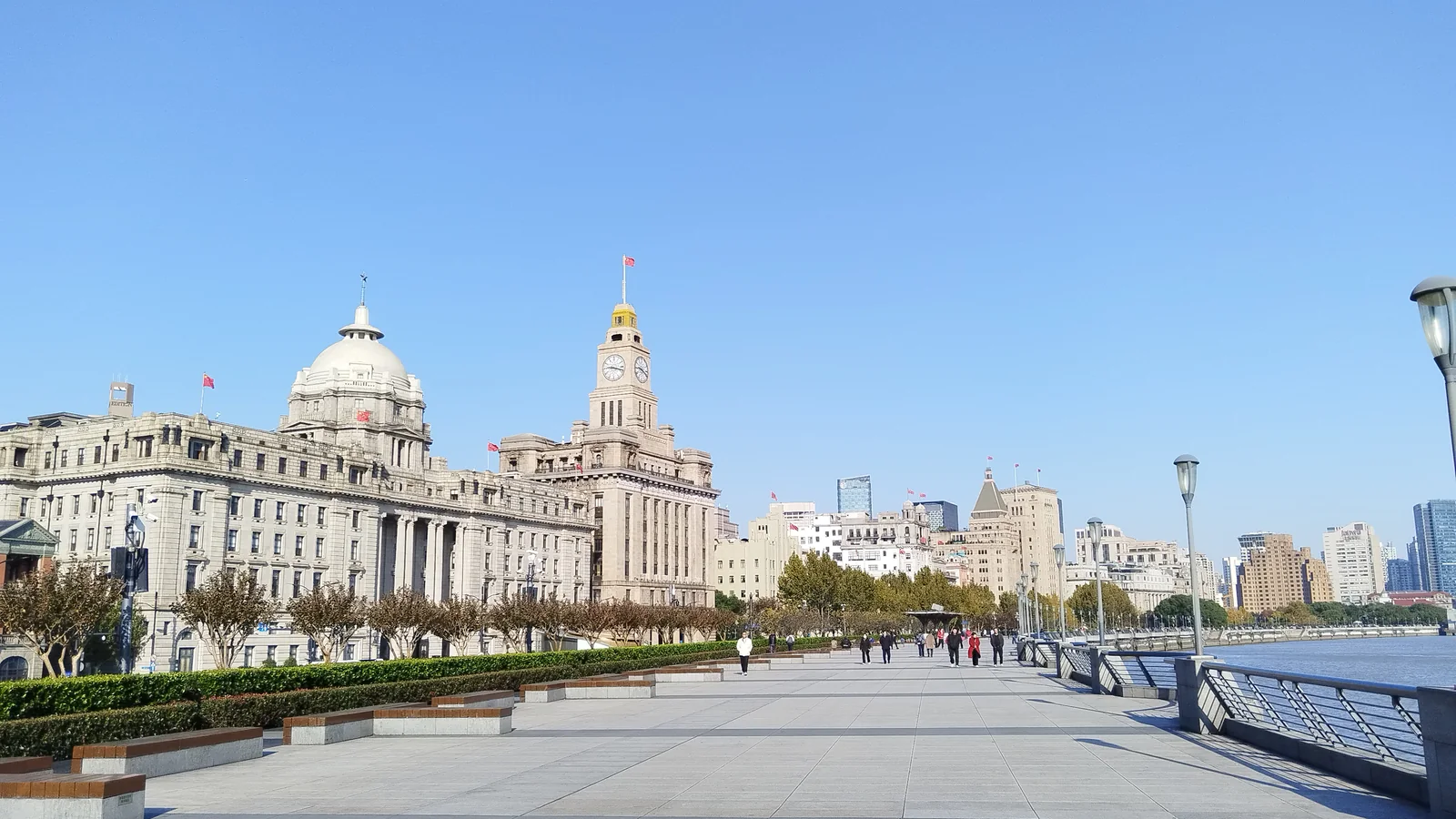
The Bund
Shanghai's riverside promenade, with 1920s bank facades on one side and the Lujiazui skyline across the water.
Six ways in
Independent guides, reviews and answers for travelling in Shanghai: where to eat, stay, get around, and what to see, buy and do.
Shanghai's riverside promenade, with 1920s bank facades on one side and the Lujiazui skyline across the water.
category.see
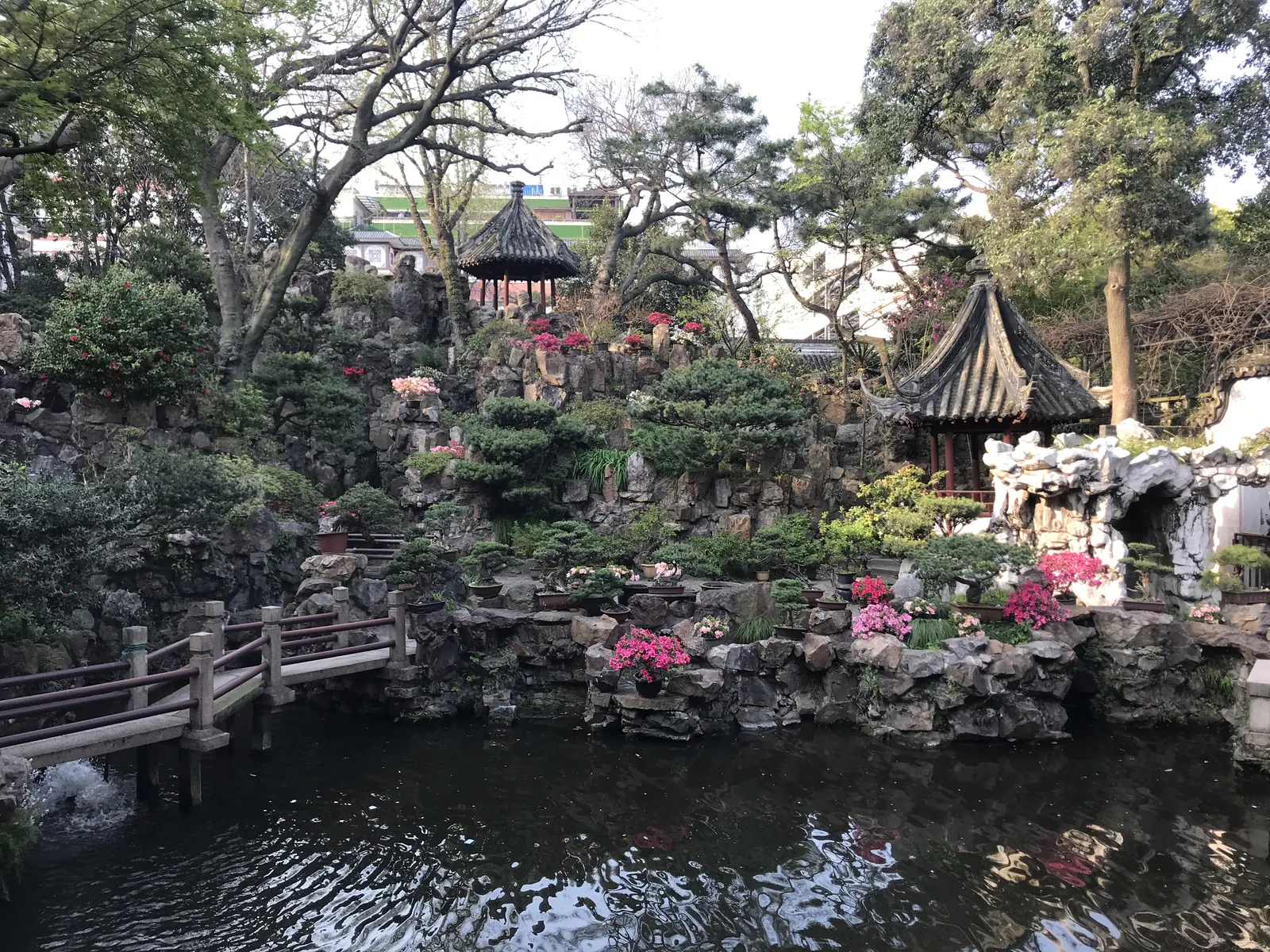
A review of the walled, ticketed Ming-dynasty garden itself: what is actually inside, for whom the ticket pays off, who should stay in the free bazaar, and why the crowds within the walls decide the visit.
5 min read
category.see
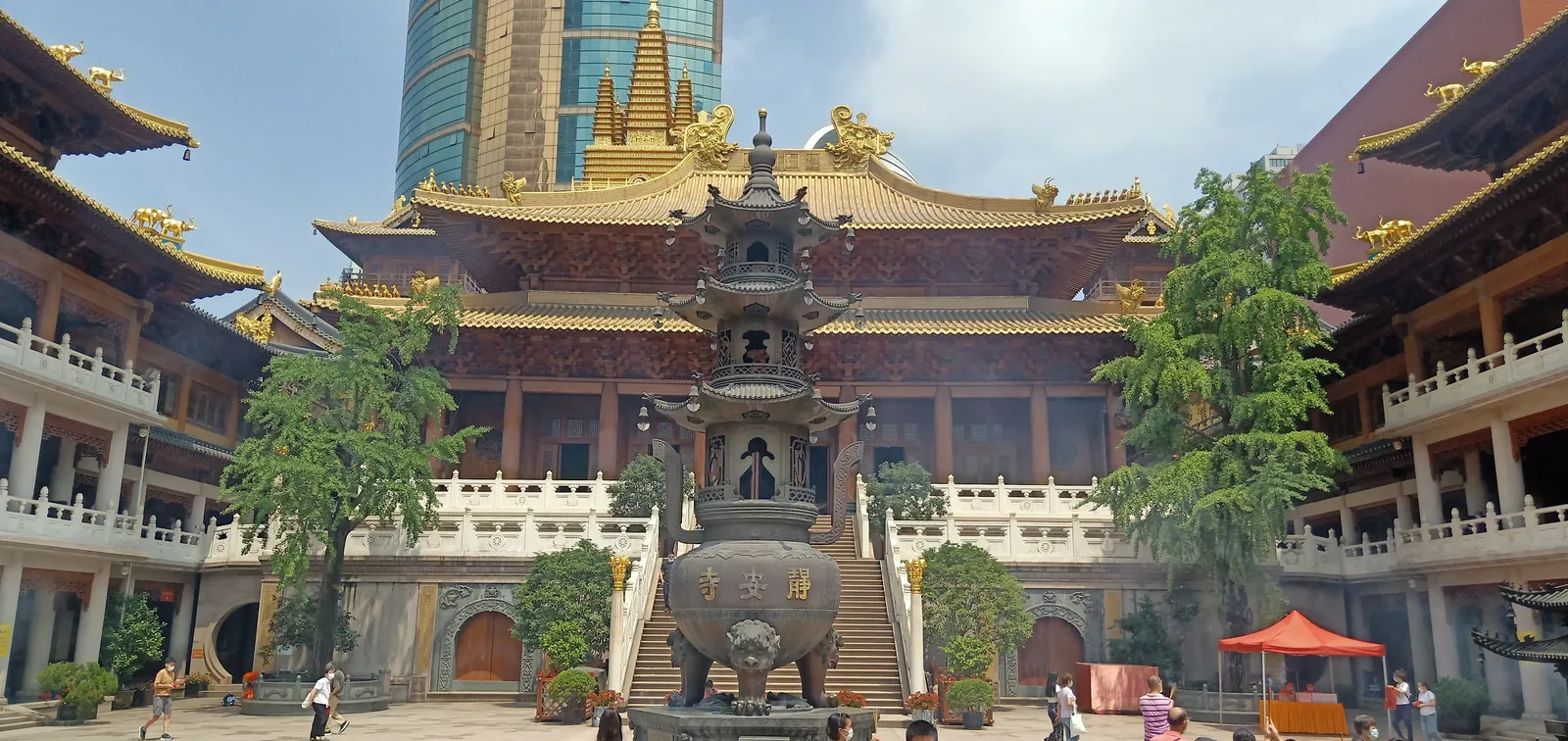
Jing'an Temple reviewed: golden halls against glass towers are the real reason to come, plus what is inside, how long it takes, whether the fee pays, how to visit respectfully and who should skip it.
5 min read
category.see
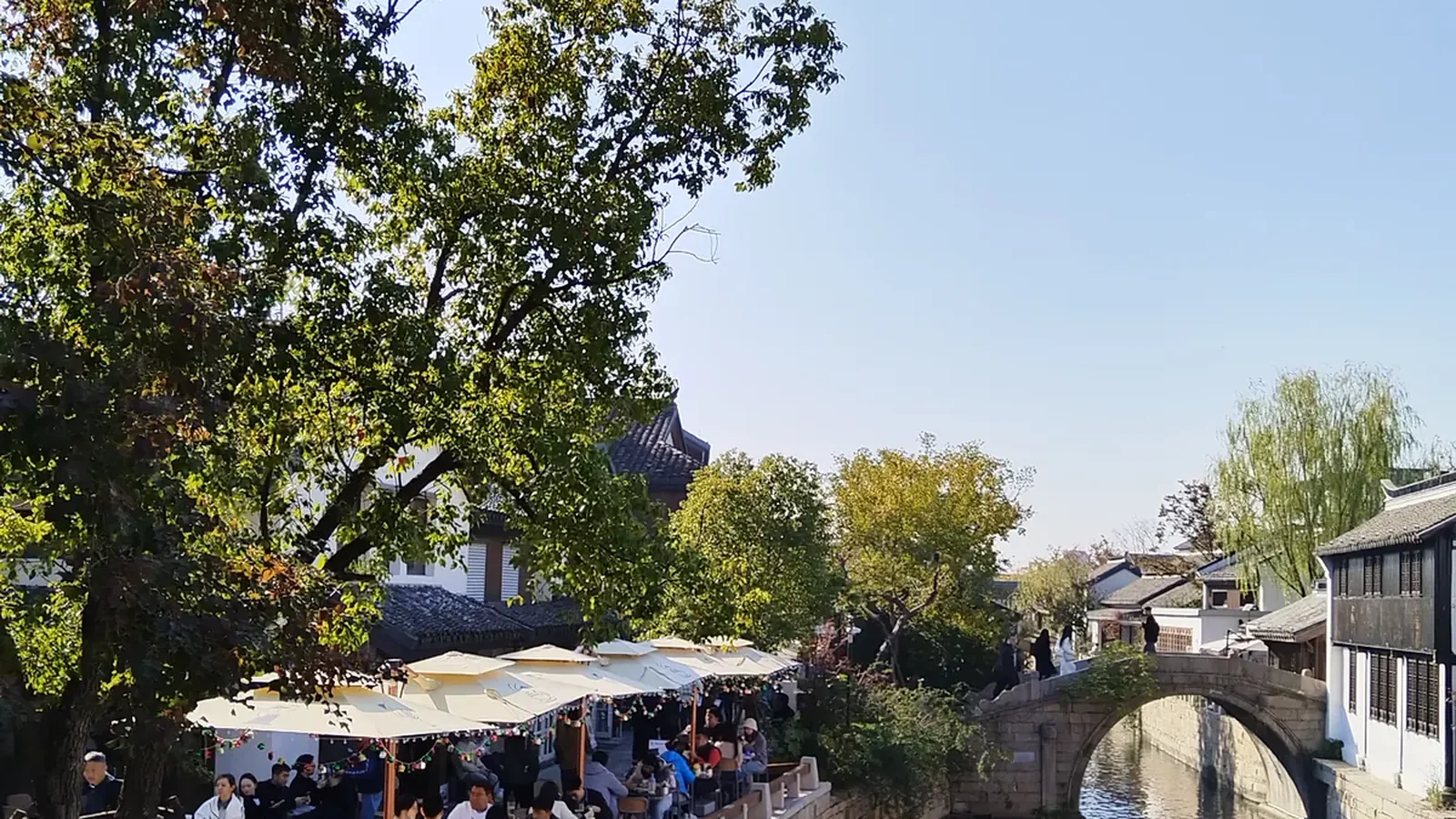
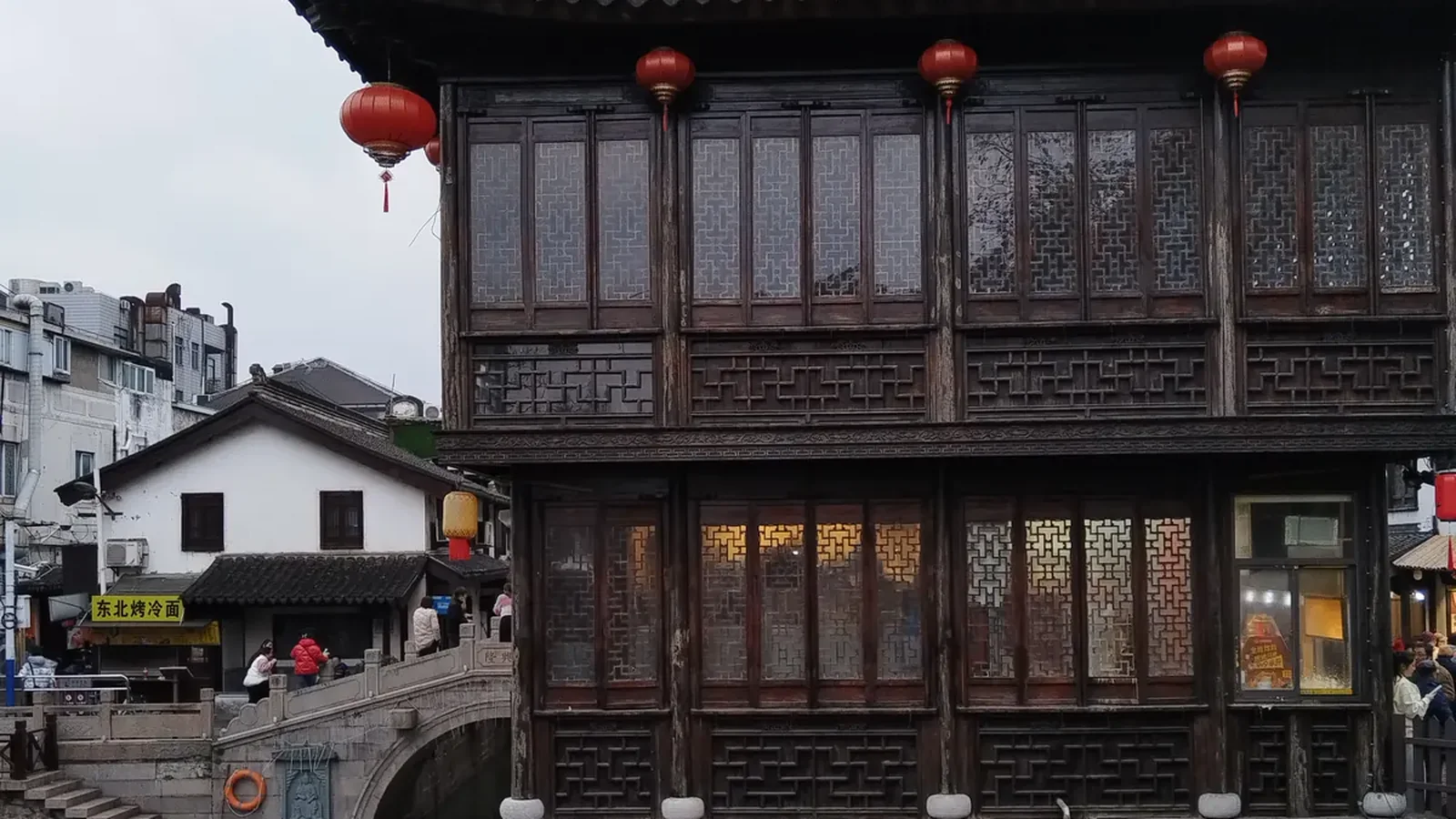
Panlong Tiandi reviewed: a canal-side commercial quarter built on the site of an old village, not a preserved old town. What it actually is, what is done well, what is only set dressing, whether the food and shopping justify the trip, how it compares with Zhujiajiao and Nanxiang, and who should come and who should give the time to somewhere else.
5 min read
category.see
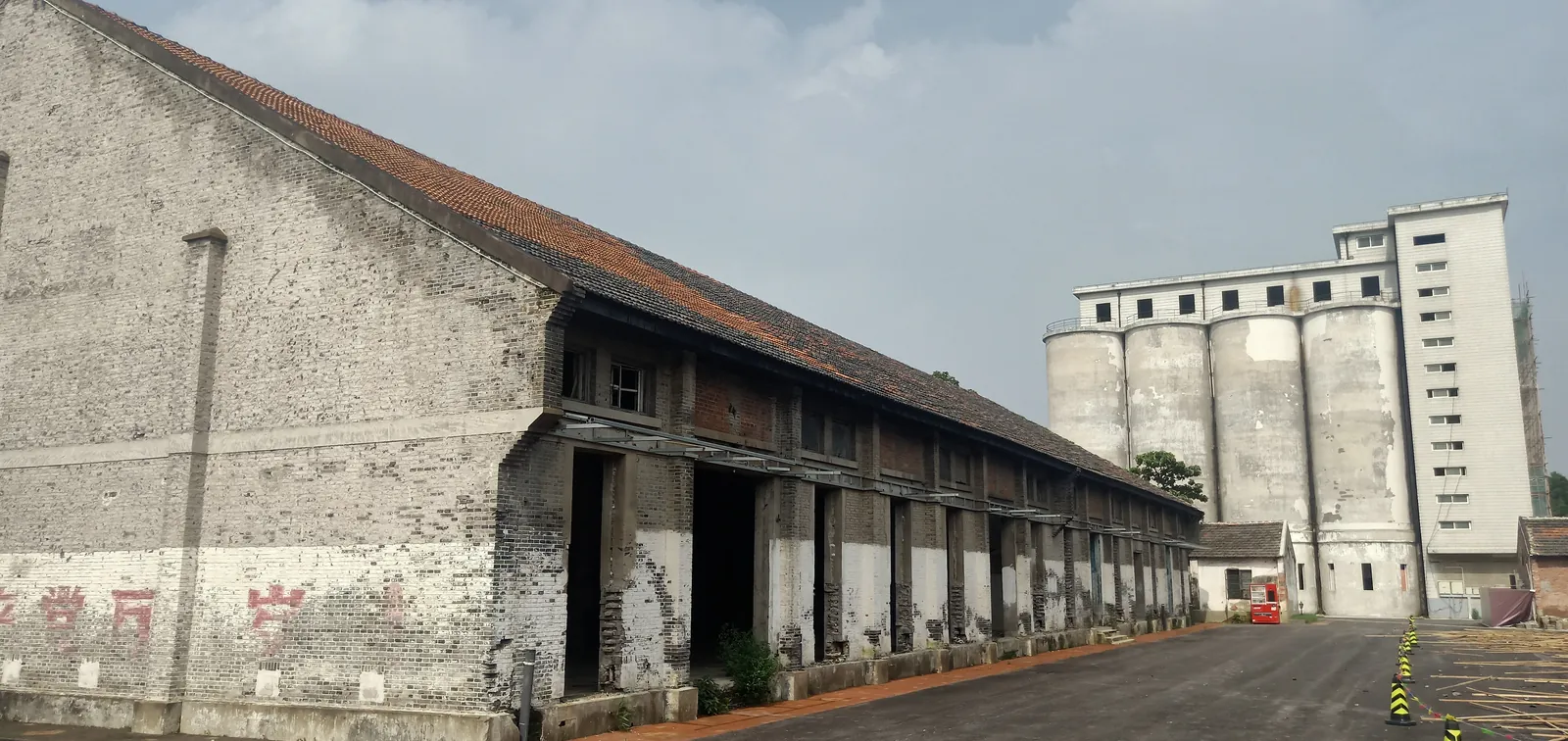
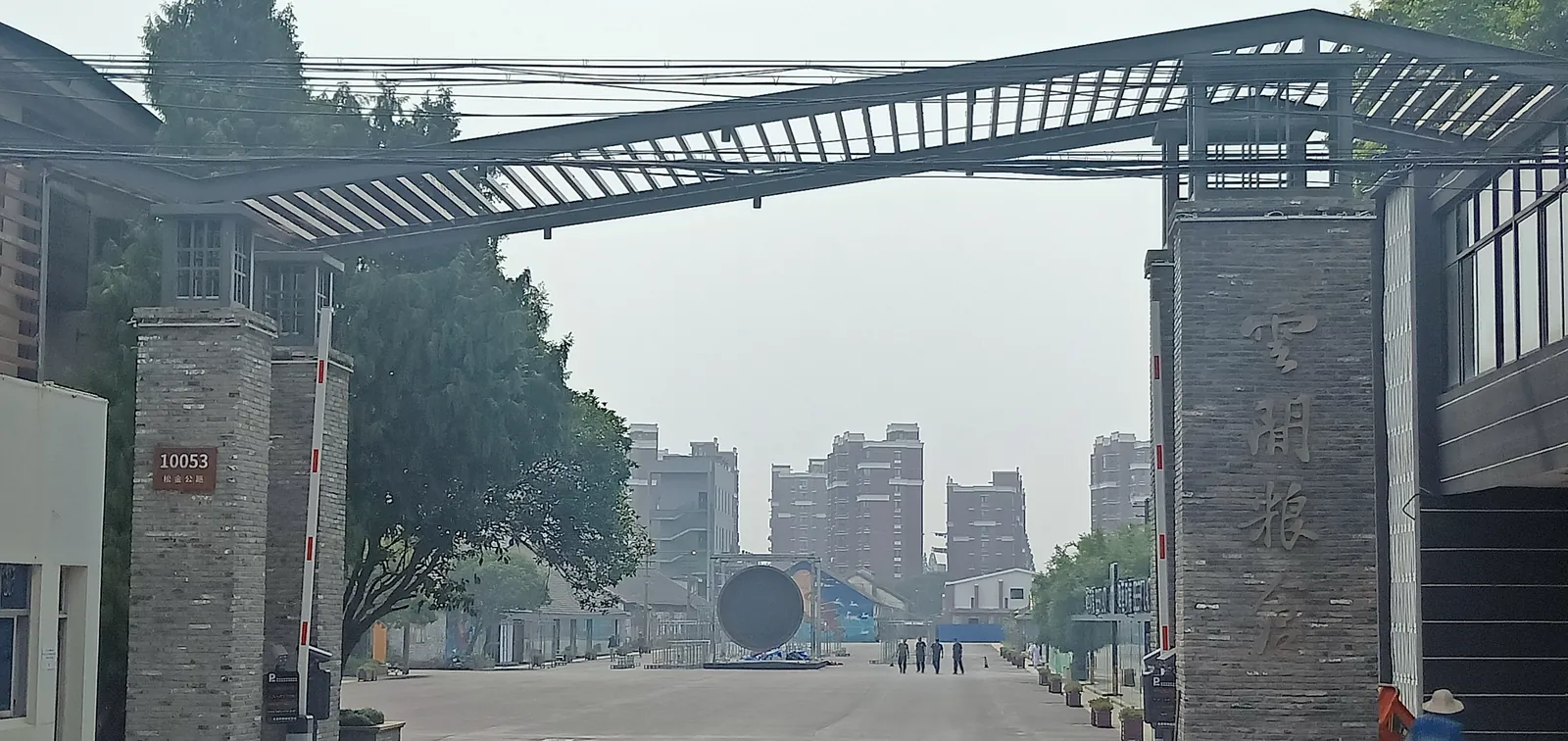
Yunjian Granary reviewed: a group of 1950s grain silos and warehouses in Songjiang now run as a culture park, and what the photographs leave out — how much is actually open, how long it takes, and whether the trip from central Shanghai pays.
5 min read
category.see
Guangfulin reviewed: whether half a day is enough, once the park above ground and the halls below it are counted separately — which parts are solid, which are only scenery, how long four kinds of visitor should allow, whether to pair it with the rest of Songjiang, and who should skip it.
5 min read
category.see
The Lu Xun Memorial Hall and Lu Xun Park reviewed: the hall and the park are two different experiences with two different answers — the display is well made but built for Chinese readers, while the park is a working city park still in use.
5 min read
category.see
Nanxiang old town reviewed: the old street, the twin pagodas, the temple and Guyi Garden weighed separately, with the question in the title answered — whether the town stands without its dumplings, which sight is worth a trip and which is worth ten minutes, why the birthplace does not mean better eating, how far the old street has been commercialised, who should come, who should skip it, and whether it justifies a trip from central Shanghai.
5 min read
category.see
Columbia Circle reviewed: a low-rise campus that suits anyone happy to spend an unhurried hour or two, and does not repay a special trip for a visitor with two days in Shanghai, an appetite for raw old factory fabric, or an expectation of exhibitions and interpretation.
5 min read
Etiquette
The Bund is a 1.5 km riverside promenade where the old buildings and the Pudong skyline face opposite ways. Here is when to go, which end to start from, and where visitors get it wrong.
5 min read
Etiquette
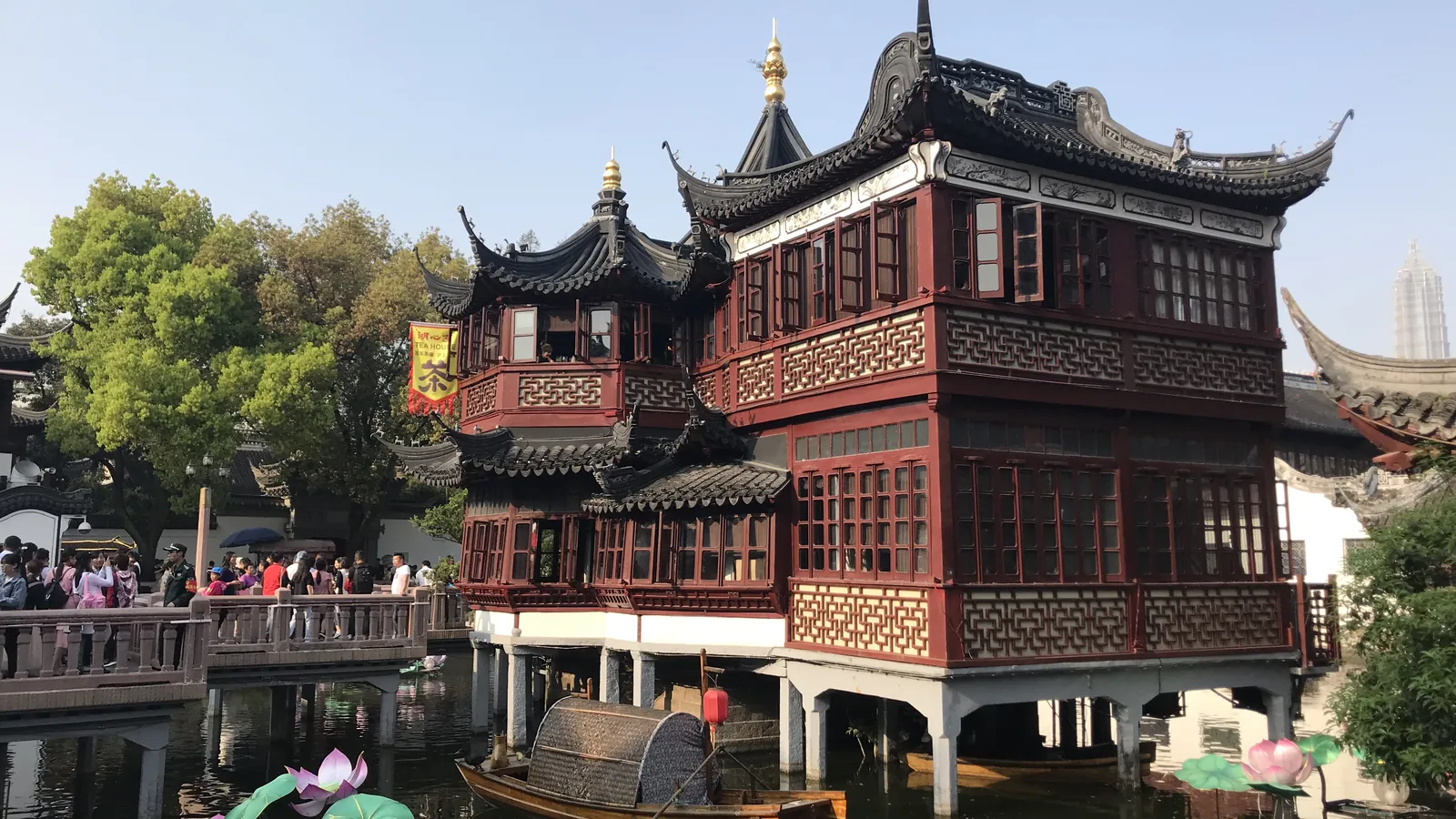
Yu Garden is a walled Ming-dynasty garden with an admission ticket; the bazaar wrapped around it is a different thing, free and open all day. Here is how to tell them apart, when to go, where the crowds actually jam, and which lanes outside are worth walking.
7 min read
Etiquette
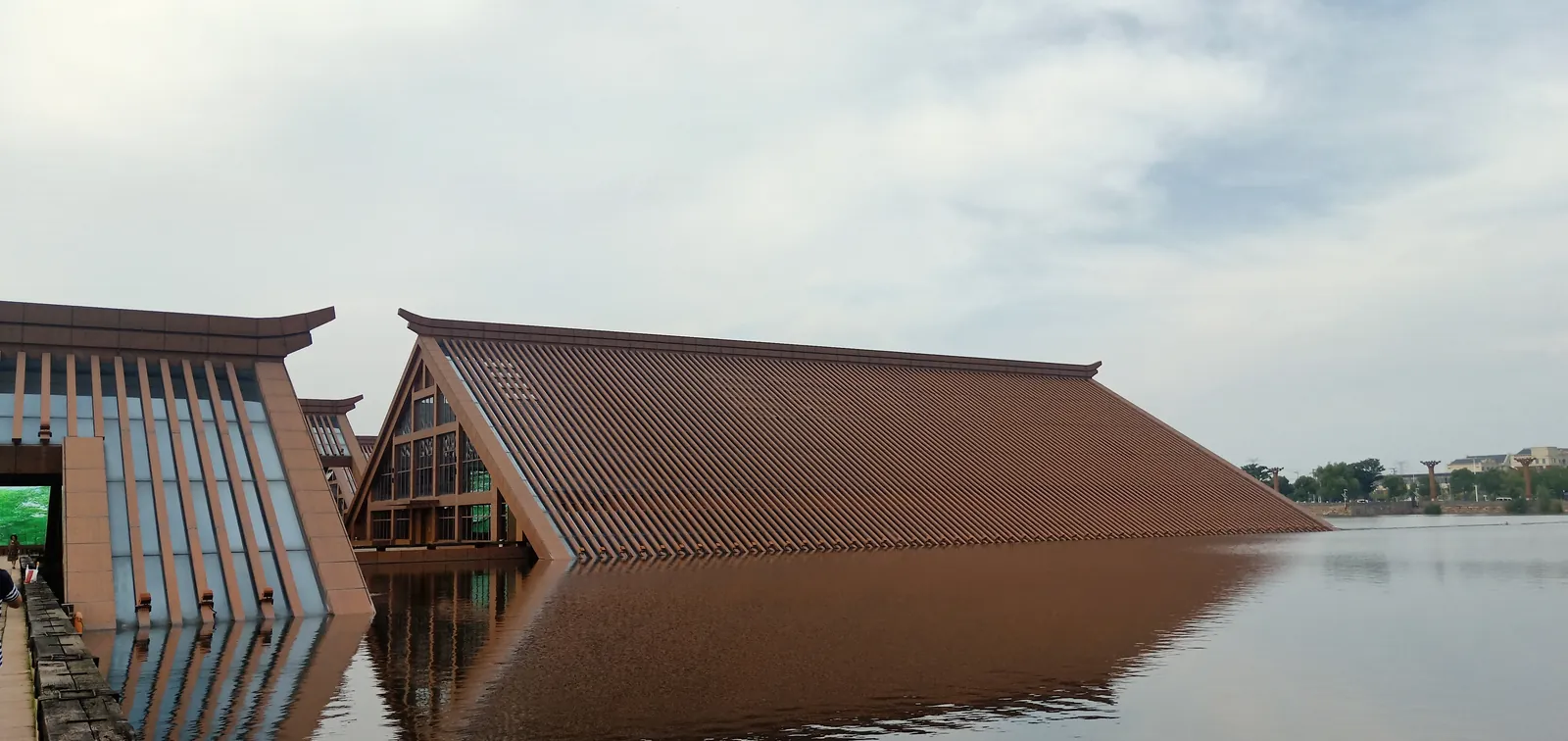
Guangfulin in Songjiang is a genuinely excavated settlement site turned into a park and exhibition complex, with halls sunk under a lake. Here is what it is, what you actually walk through, whether the archaeology is told well, and which parts are flat.
6 min read
Etiquette
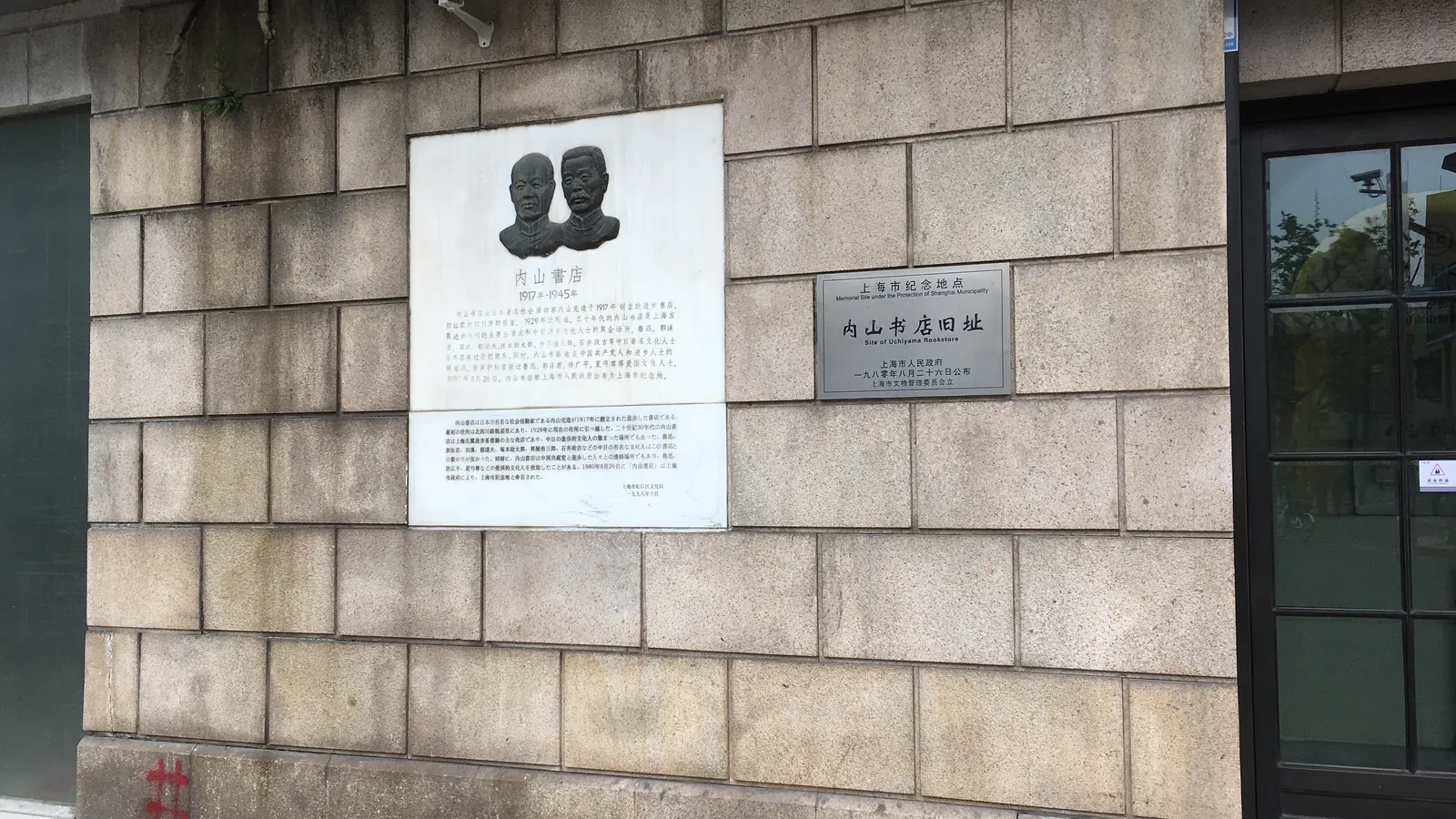
Lu Xun Park in Hongkou, with the memorial hall and his tomb inside it, fills half a day: the park is a working city park, the hall is a memorial display. This covers who Lu Xun was, what is actually inside, how much of it works without Chinese, and how to fold in Duolun Road and Shanyin Road.
7 min read
Etiquette
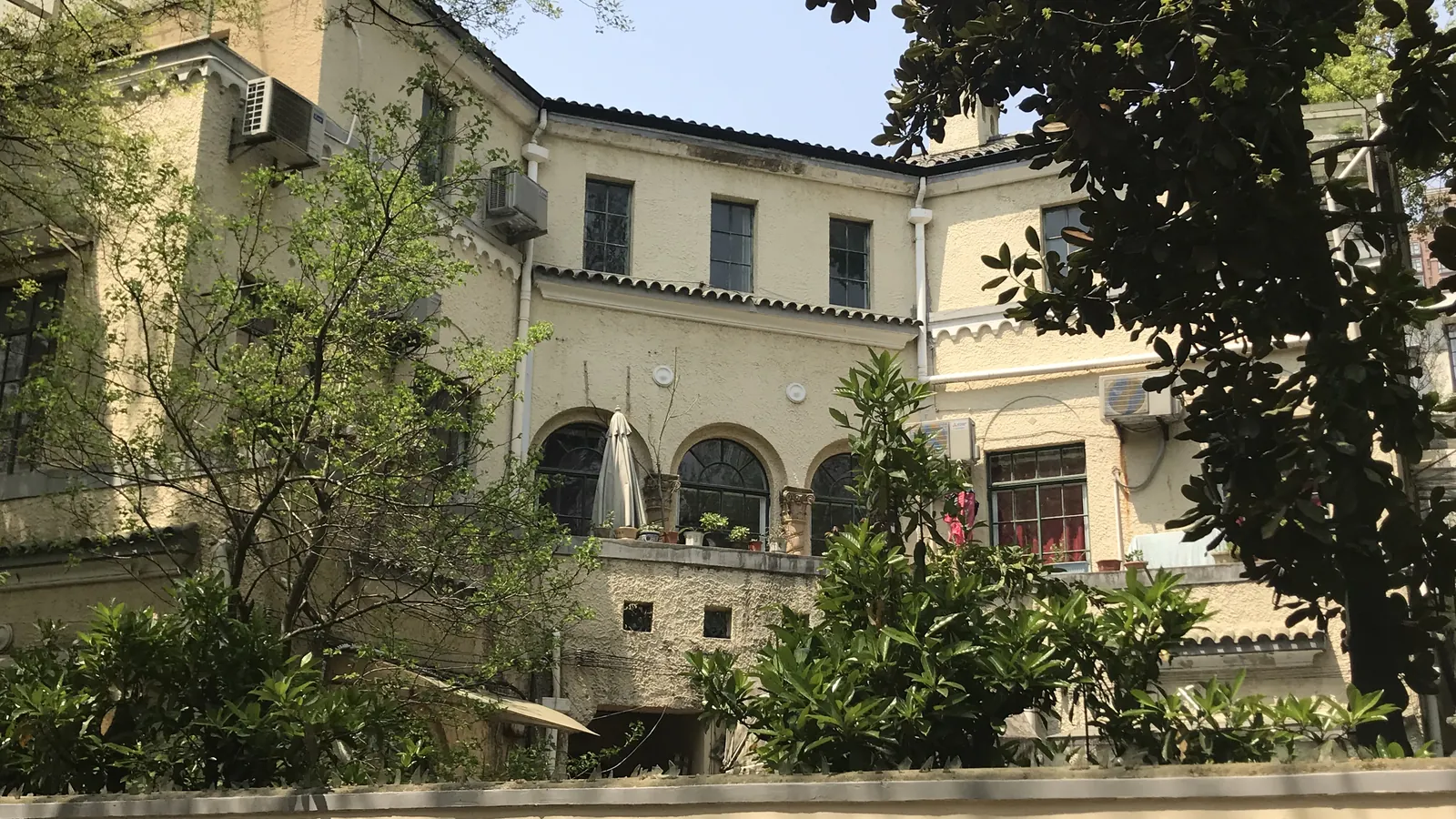
The Wukang Road area is a garden-villa district laid out in the 1920s and 1930s, and it is still residential. How to walk it north to south, why the Wukang Building cannot be avoided, what else is worth stopping for, and where the reputation and the reality part company.
7 min read
Etiquette
Columbia Circle and Tonglefang are two versions of the same Shanghai story: a country club and research institute turned low-rise garden campus, and a lane of small workshops turned small creative quarter. What each one is, how their characters differ, what there is to do, how to join them in an afternoon and an evening, and which expectations will not survive the visit.
7 min read
Etiquette
Nanxiang, in Jiading, is one of the few towns on Shanghai's edge that still keeps a real old core: a pair of ancient brick pagodas, a temple and the classical garden Guyi Garden, all within walking distance. It is also where xiaolongbao come from, though the long queue on the old street measures fame. This guide covers what you actually see, how commercialised the street is, whether half a day is enough, how to get there, and what disappoints.
7 min read
Etiquette
Shanghai's museums fall into a few kinds: the large municipal museum, specialist collections, contemporary art museums and galleries, private collections, and small displays inside historic buildings. This covers the booking mechanism, the closing pattern to expect, how to spend a day, and which kind suits whom.
7 min read
Etiquette
Panlong old town guide: Panlong Tiandi in Qingpu is a water town rebuilt on an old village site, with the old fabric surviving only in fragments. This guide sets out how to tell remnants from rebuilt sections and from entirely new commercial buildings dressed up as old, what the canal, the lanes, the temple and the food each repay, the trade between convenience and authenticity against other water towns, how to get there by direction, how long to allow and when it is busiest, and who should come and who should spend the half day elsewhere.
6 min read
Etiquette
Yunjian Granary is a group of 1950s grain depot buildings in Songjiang with water along one side, its silos, warehouses and yards kept in place and filled with exhibitions, shops and food; this guide sets out what is actually there by category, how much is buildings and how much is programming, how to get there, how long to allow, whether to eat on site, and who should come.
7 min read
Etiquette
Shanghai's Buddhist temples, its best-known Daoist temple, a Confucian temple, Catholic and Protestant churches, a mosque and a synagogue are all in use, with worshippers inside. This covers how to read a temple's layout, how the kinds differ, the etiquette that matters, and what incense and blessings actually cost.
7 min read
Seasons
The festival is not the attraction and the crowd is what you remember, so this sorts what a festival actually gives a visitor, says what each one looks like in Shanghai, and sets out the seasons that really decide the trip.
7 min read
The quietest hour is early morning, when locals are out exercising and the promenade is close to empty, though the historic facades are flat in that light and the lights across the river have already gone off. The busiest hour is the one after sunset, when the skyline lights come on and the crowd peaks at the same moment, with weekends and public holidays worse still. Fewest people and best light are not the same answer; confirm the day's lighting and event schedule before you go.
The Wukang Building is an old apartment block on the wedge of land where two roads split in the former French Concession, designed in the 1920s by a well-known architect of the period, with its narrow end facing the junction so that the whole flat-iron outline reads in one frame from the opposite pavement. It is photographed so heavily because the corner composes well, the plane trees change with the season, the surrounding streets are full of old buildings, and its reputation has fed on itself online; the cost is a crowded pavement at peak times on a block where people still live. For the architecture and the streets it is worth a deliberate trip; for a single social-media photograph the experience is usually worse than the picture.
The name Yu Garden covers two places in Shanghai: the Ming-dynasty classical garden inside the wall, which is ticketed, and the bazaar and old-city streets outside it, which are free and open to anyone, and most of the Yu Garden photographs people take are taken outside the wall. Whether it is worth going in depends on what you want: anyone interested in the garden and historic architecture itself should pay, while anyone mainly after the bazaar, the food and photographs of the buildings will miss little by staying outside. The price, whether a reservation is required and whether entry is sold in timed slots keep changing, so confirm the day's arrangements through official channels before you go.
Sort what counts as near Shanghai into three different things first: the Jiangnan water towns around the city, garden cities such as Suzhou and Hangzhou, and the outer parts of Shanghai municipality itself. Which of those three you want matters more than which destination you pick. Suzhou and Hangzhou are each worth more than a day, so a day trip to either is a compromise, and you should check the last train back before you commit.
It depends on the kind of place: the well-known museums, galleries, anything with a capacity limit and the resident shows are mostly sold by date and time slot now, and without a booking you may well not get in that day, while parks, the riverside, shopping streets, most neighbourhoods and the temples and gardens that sell at the gate need nothing booked at all, which is most of a Shanghai trip. So the only things to arrange ahead are the two or three you would be sorry to miss, confirmed through each venue's own channel, and the rules keep changing.
What Shanghai offers photographs falls into roughly eight kinds: the skyline across the river, the historic waterfront facades, the old-city lanes, the plane-tree streets of 1920s and 1930s houses, the converted industrial sites, the classical gardens, ordinary residential streets and the night illumination, and each works under different conditions, so decide which kind of photograph you want before deciding where to go. By volume the riverside skyline is the most photographed and least informative single picture in the city, and the photographs that hold up usually come from a street, a lane or a building detail. The useful light is the stretch after sunrise and the stretch before sunset, the timing shifts a long way across the year so check the day's times before setting out, and the care owed to people you photograph, the limits on official buildings and the restrictions on drones are worth knowing in advance.
Yes, considerably, and the difference is not marginal: the same sight during a holiday and again once the holiday is over are two different experiences. Spring Festival and the National Day holiday are the sharpest, with the summer school holidays and the spring and early-summer holidays behind them. If you can move your dates, move them; if you cannot, change the shape of the day, setting out early, spending the middle of it indoors or away from the centre, booking timed-entry venues ahead and taking the metro instead of a car.
Yes, for some travellers, and only once you know whether you are going to a preserved town or one rebuilt to look like one. A preserved town is a place that grew; a rebuilt one was constructed to resemble it, and photographs rarely tell them apart. Pick the right kind and stay until the crowds leave, and the day holds up.
Whether it is worth going up depends entirely on what you want from it: if you want the city view, the tower is the weakest way to get one, because from up there you cannot see the tower itself and the best view of it is from the far bank; if you want to stand on a glass floor once, take children up somewhere high, or be inside the building on every postcard, it holds up. The one thing to check before buying is whether the air is clear that day, because on a hazy day the time and the money buy a band of fog.